


Zigman honored with Obesity Society mentoring award

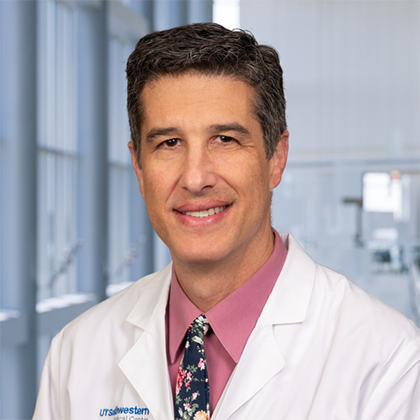
Successful mentorship is not one-size-fits-all. It begins with recognizing that each trainee brings unique strengths, aspirations, and challenges, said Jeffrey Zigman, M.D., Ph.D., FTOS, Professor of Internal Medicine and Psychiatry and a member of the Center for Hypothalamic Research.
As a Principal Investigator, Dr. Zigman has mentored 18 postdoctoral fellows, three graduate students, six medical students, 12 undergraduates, and three high schoolers. He works closely with trainees to shape research projects that support their career aspirations, guides them through the grant- and manuscript-writing process, and urges them to fully engage in every aspect of scientific life.
“My approach combines high expectations and scientific rigor with individualized guidance, encouragement, and a genuine investment in each trainee’s long-term success,” he said.
For his contributions to the development of early-career researchers and clinicians in obesity science and medicine, Dr. Zigman has received the 2026 Thomas A. Wadden Award for Distinguished Mentorship from The Obesity Society, the leading professional organization focused on obesity science, treatment, and prevention. Dr. Zigman’s former trainees have gone on to careers in endocrinology, metabolism, neuroscience, and obesity research.
“There is nothing quite like the excitement of uncovering new insights into how the body works and how those processes go awry in disease. Mentoring gives me the opportunity to share that excitement with others and help cultivate their passion for discovery,” he said.
An internationally recognized physician-scientist, Dr. Zigman focuses his research on ghrelin – the “hunger hormone” – and related pathways involved in obesity, diabetes, eating disorders, cancer cachexia, and other metabolic diseases. The Zigman Lab has helped define how ghrelin and the related hormone LEAP2 interact with the brain and peripheral organs to regulate appetite, body weight, glucose metabolism, exercise responses, and stress-related behaviors.
Dr. Zigman earned his medical and doctoral degrees in biochemistry and molecular biology at the University of Chicago, where he also received internal medicine residency training. He completed fellowship training in endocrinology, diabetes, and metabolism at Beth Israel Deaconess Medical Center before joining the UTSW faculty in 2006.