
Keynote Speaker
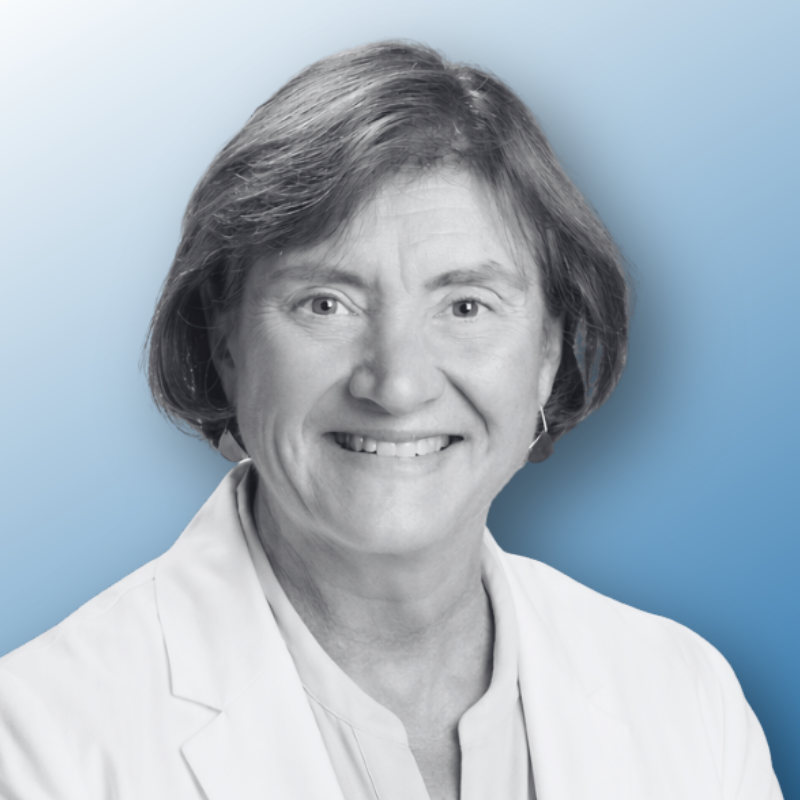
Christine Seidman, M.D.
Thoma W. Smith Professor of Medicine
Harvard Medical School
Director, Cardiovascular Genetics Center
Brigham and Women's Hospital
Christine Seidman, M.D., will present the keynote address at the 2027 Seldin Symposium.
Dr. Seidman's work has transformed hypertrophic cardiomyopathy (HCM) from a disease described by heart anatomy into a disease understood through genetics, molecular biology, and precision medicine. Her pioneering research demonstrated that mutations in genes encoding sarcomere proteins can cause HCM, establishing the genetic basis of the disease and enabling genetic testing to identify at-risk individuals before symptoms develop. These discoveries have helped families better understand inherited cardiovascular risk and receive earlier, more personalized care.
Her work has also established the scientific foundation for therapies that target the molecular causes of inherited heart disease. Among the most notable advances influenced by her research was the development of mavacamten, the first FDA-approved targeted treatment for HCM, a milestone in precision cardiovascular medicine.
Beyond her scientific contributions, Dr. Seidman is widely respected as a mentor, educator, and advocate for expanding opportunities in medicine and science. Throughout her career she has trained and inspired generations of physician-scientists and researchers, including many women and individuals from groups historically underrepresented in biomedical research. Her commitment to mentorship and academic excellence reflects the values championed by Dr. Donald W. Seldin.
Dr. Seidman co-directs the Seidman Laboratory at Harvard Medical School alongside her husband, Jonathan G. Seidman, Ph.D. The laboratory integrates clinical medicine, human genetics, and molecular biology to uncover the causes of inherited cardiovascular disorders, including cardiomyopathies and congenital heart defects. Through close collaboration with the Cardiovascular Genetics Center, the laboratory's discoveries have led to improved diagnostics, risk assessment strategies, and emerging therapies for patients and families.
Dr. Seidman holds a bachelor's degree in biochemistry from Harvard University. She earned her medical degree from the George Washington University School of Medicine and Health Sciences, and completed internal medicine residency training at Johns Hopkins Hospital. She then received advanced training through a cardiology fellowship at Massachusetts General Hospital and through a research fellowship at Harvard Medical School.
Dr. Seidman has authored more than 400 peer-reviewed publications and has served in editorial and advisory roles for leading scientific journals, including The Journal of Clinical Investigation, American Journal of Medical Genetics, and Science. Her honors include election to the National Academy of Medicine, the American Academy of Arts and Sciences, the National Academy of Sciences, and the American Philosophical Society, as well as recognition from the American Heart Association and other organizations for her contributions to cardiovascular research.