
2026 Faculty Promotions
Each year, the Department’s Promotion and Tenure Committee carefully reviews faculty nominations for promotion, forwarding its recommendations to the Chair. From there, the Chair submits the nominations to the Dean, who determines which candidates to advance to the UT System Board of Regents for final approval.
The faculty members recognized here have successfully completed this rigorous and comprehensive review process, demonstrating a level of excellence that merits promotion.
The Department formally acknowledges their distinguished achievements and extends appreciation to the many individuals—mentors, colleagues, and staff—whose support has been instrumental throughout this process.
Professors
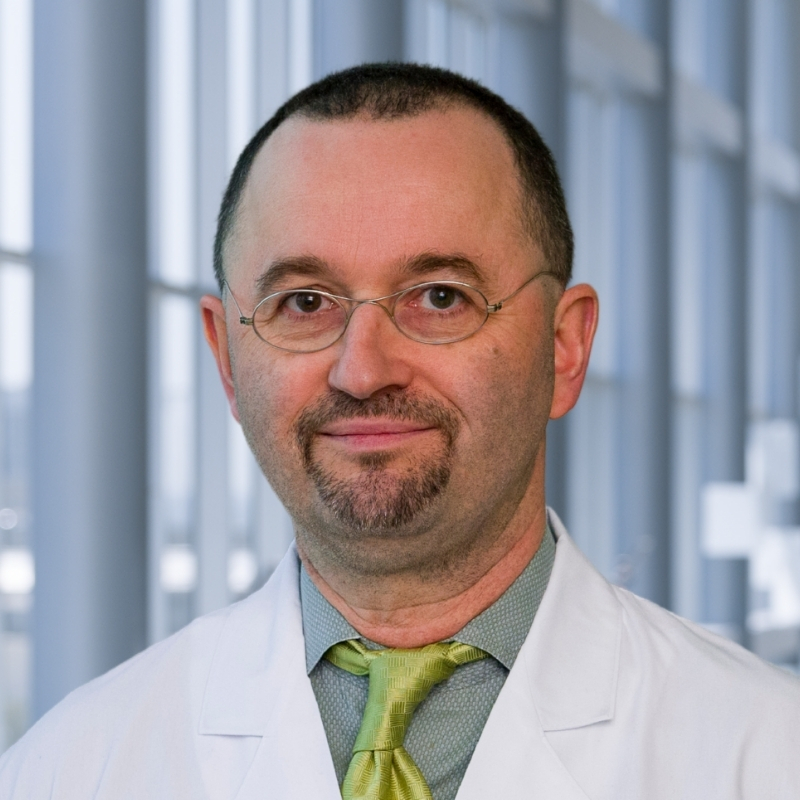
Henning Drechsler, M.D.
Professor, Division of Infectious Diseases & Geographic Medicine
For nearly two decades, Dr. Drechsler has cared for people living with HIV at the Dallas VA Medical Center while helping oversee infectious diseases services and clinical education programs. As Assistant Chief of the Infectious Diseases Section at VA North Texas, he supports clinical operations and provides inpatient and outpatient care. His clinical interests include cardiovascular disease, liver disease, bone health, and other chronic conditions that increasingly affect people living longer with HIV because of effective antiretroviral therapy.
Dr. Drechsler’s research examines the relationship between HIV and chronic disease, with particular attention to lipid-lowering therapies and long-term outcomes. His studies have explored how statin use may affect survival, inflammation, cardiovascular risk, and HIV disease control. Other projects have investigated liver disease, bone fragility, and weight gain associated with antiretroviral therapy. This work has contributed to a better understanding of the health concerns facing an aging population of people living with HIV. His findings have appeared in journals including Lancet HIV, Clinical Infectious Diseases, BMC Infectious Diseases, and AIDS.
Education is also a significant part of his work at the VA. Dr. Drechsler teaches infectious diseases fellows, internal medicine residents, medical students, pharmacy trainees, and physician assistant students through bedside instruction and clinical supervision. He coordinates educational experiences for several training programs and serves as a liaison among UT Southwestern, the VA, and participating academic programs. During the COVID-19 pandemic, he also contributed to the development of clinical management guidelines and operating procedures for the VA.
Dr. Drechsler joined the UT Southwestern faculty in 2006.
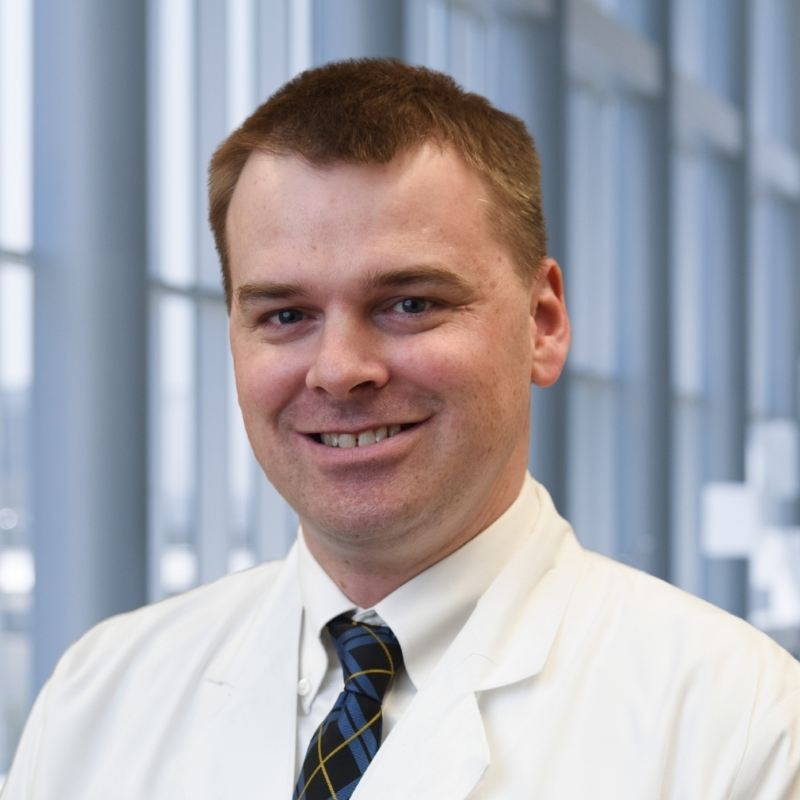
Thomas Kerr, M.D., Ph.D.
Professor, Division of Digestive & Liver Diseases
Director of Outreach, Liver Transplantation Program
Access to specialty liver care has been a focus of Dr. Kerr’s work since he joined UT Southwestern. A transplant hepatologist, he cares for patients with advanced liver disease and liver transplants in inpatient and outpatient settings. As Director of Outreach for the Liver Transplantation Program, he has helped extend hepatology and transplant services to patients beyond Dallas, including through an outreach program in Lubbock that connects patients in West Texas with evaluation and follow-up care.
Dr. Kerr’s clinical and program-building contributions have supported the continued growth of the Liver Transplantation Program. He also serves as Director of the Hepatology Clinics, where he has worked to improve access for new referrals, make clinic operations more patient-friendly, and expand the use of advanced practice providers. His scholarly work includes peer-reviewed research articles, reviews, and educational content focused on chronic liver disease, transplantation, and treatment-related liver injury. He has served as a principal investigator and collaborator on clinical studies involving liver disease and transplantation.
Teaching spans much of Dr. Kerr’s work. He educates medical students, residents, fellows, nurses, and other health professionals through clinical rotations, lectures, procedural simulation, and fellowship activities. He also contributes to professional societies through educational and clinical practice committees. As a member of the National Liver Review Board, he participates in the review of transplant cases in which a patient’s medical urgency may not be adequately represented by standard allocation criteria.
Dr. Kerr joined the UT Southwestern faculty in 2015.
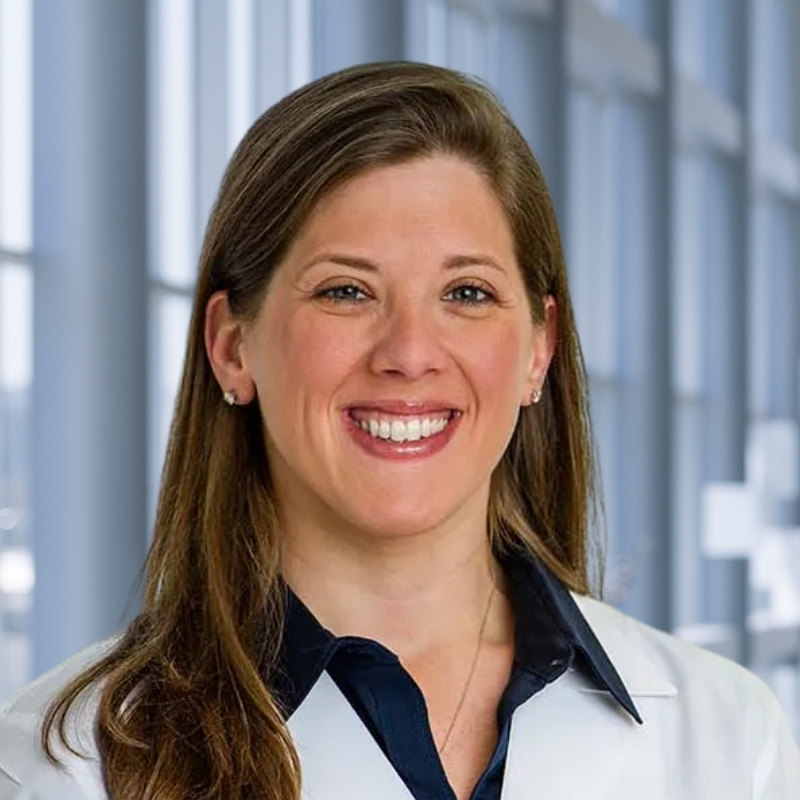
Nisa Kubiliun, M.D.
Professor, Division of Digestive & Liver Diseases
Associate Vice President and Chief Medical Officer of Ambulatory Services
As Associate Vice President and Chief Medical Officer of Ambulatory Services, Dr. Kubiliun helps guide outpatient operations across UT Southwestern while maintaining a clinical practice in pancreaticobiliary diseases and therapeutic endoscopy. Her previous leadership roles include Director of Endoscopy Services and Clinical Chief of Digestive and Liver Diseases, as well as positions supporting cancer genetics, colorectal cancer screening, and digestive disease services at affiliated hospitals.
A significant focus of Dr. Kubiliun’s clinical and scholarly work has been the early detection and management of pancreatic disease. She helped establish the Pancreatic Cancer Prevention Program at the Harold C. Simmons Comprehensive Cancer Center, creating a multidisciplinary resource for people with pancreatic cysts, hereditary risk factors, and other findings associated with pancreatic cancer. Her research has examined pancreaticobiliary neoplasms, endoscopic procedures, cancer prevention, and the use of next-generation sequencing to evaluate fluid collected from potentially premalignant pancreatic lesions. She has contributed to multicenter research efforts and secured external support for work involving cancer detection and hereditary risk.
Education and mentorship have remained central throughout her career. Dr. Kubiliun teaches fellows, residents, and medical students in procedural, clinical, and classroom settings. She has mentored trainees and junior faculty members who have gone on to positions in advanced endoscopy, fellowship education, infection prevention, and clinical leadership. Nationally, she has contributed to education through the American Society for Gastrointestinal Endoscopy, including service on its Training Committee and participation in courses for practicing gastroenterologists.
Dr. Kubiliun joined the UT Southwestern faculty in 2011.
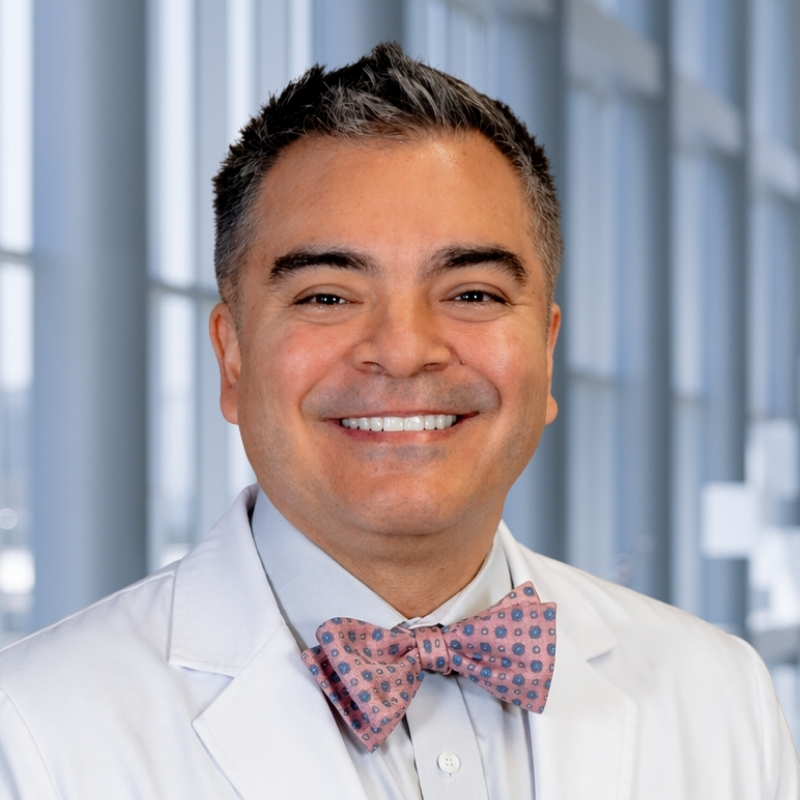
Ricardo La Hoz, M.D.
Professor, Division of Infectious Diseases & Geographic Medicine
Director, Solid Organ Transplant Infectious Diseases
Program Director, Transplant Infectious Diseases Fellowship
Medical Director, Transplant Services Center
Dr. La Hoz specializes in preventing and managing infectious diseases in patients who have had solid-organ transplants. At UT Southwestern, he provides inpatient and outpatient care and directs the Transplant Infectious Diseases Fellowship. His clinical work includes evaluating infectious risks before transplantation, addressing complications after transplantation, and helping develop approaches that support both transplant safety and organ availability.
His expertise has led to service with several national organizations involved in transplantation and tissue safety. Dr. La Hoz has chaired the Infectious Diseases Community Practice Committee for the American Society of Transplantation and served on its Donor Evaluation Committee. He has also participated in the Physician Council of the American Association of Tissue Banks and committees of the Organ Procurement and Transplantation Network, including leadership of the Ad Hoc Disease Transmission Advisory Committee. Earlier service included participation on a U.S. Food and Drug Administration advisory panel concerned with microbiology devices.
Dr. La Hoz’s scholarship centers on infectious complications associated with transplantation. He has authored more than 50 original research articles, along with reviews and textbook chapters. His editorial work includes contributions to transplant infectious diseases practice guidelines and service with the American Journal of Transplantation. He also teaches fellows and residents in clinical settings and through conferences and invited presentations. Through these roles, he helps prepare trainees to address the clinical, scientific, and policy questions that arise in transplant infectious diseases.
Dr. La Hoz joined the UT Southwestern faculty in 2013.
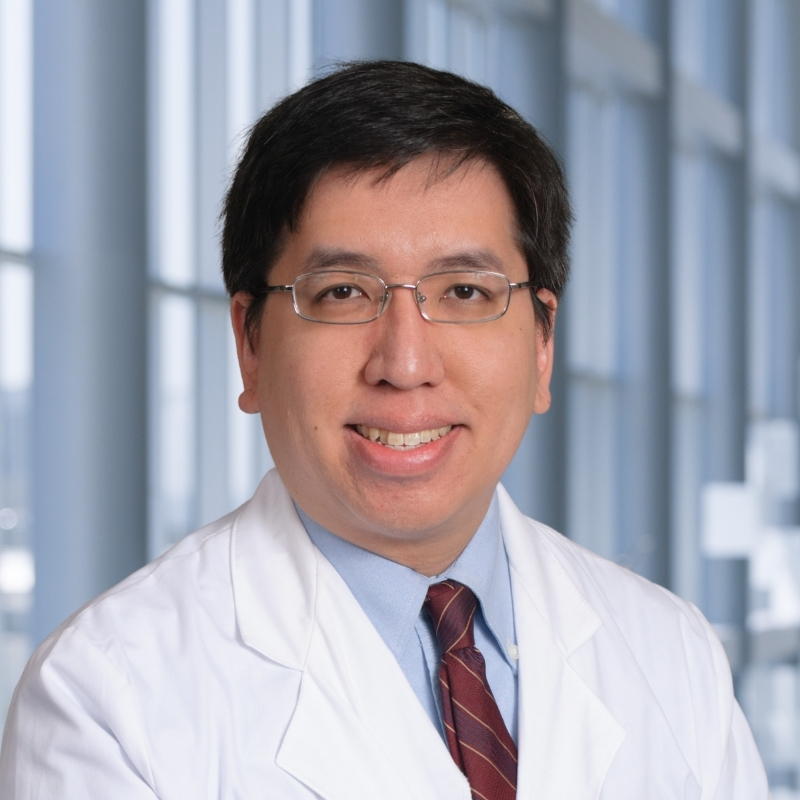
Matthew Lo, M.D.
Clinical Professor, Division of Hospital Medicine
As one of the founding members of the Division of Hospital Medicine, Dr. Lo has contributed to inpatient care, resident education, and hospital operations at UT Southwestern for nearly two decades. His clinical work is centered at William P. Clements Jr. University Hospital, where he cares for patients with a range of acute and complex medical conditions. He has also helped provide continuity as Hospital Medicine has grown into a major component of the hospital’s inpatient services.
Education has been a consistent part of Dr. Lo’s career. He spends substantial time on teaching services with internal medicine residents and medical students, emphasizing clinical reasoning, efficient care, and appropriate independence for learners. Trainees have noted his ability to remain available for guidance while allowing them to develop their own assessments and treatment plans. His teaching also addresses practical aspects of hospital medicine, including high-value care, communication with consultants, patient transitions, insurance, and the operational systems that affect hospitalization and discharge.
Beyond his clinical and educational responsibilities, Dr. Lo has served on departmental, institutional, and hospital committees concerned with patient safety, peer review, pharmacy and therapeutics, and clinical operations. These responsibilities give him a role in evaluating care processes and addressing issues that affect patients and clinical teams across the hospital. He has also contributed to scholarly work involving hospital readmissions and complex inpatient cases. Together, these activities reflect a career centered on patient care, trainee development, and service to the hospital.
Dr. Lo joined the UT Southwestern faculty in 2007.
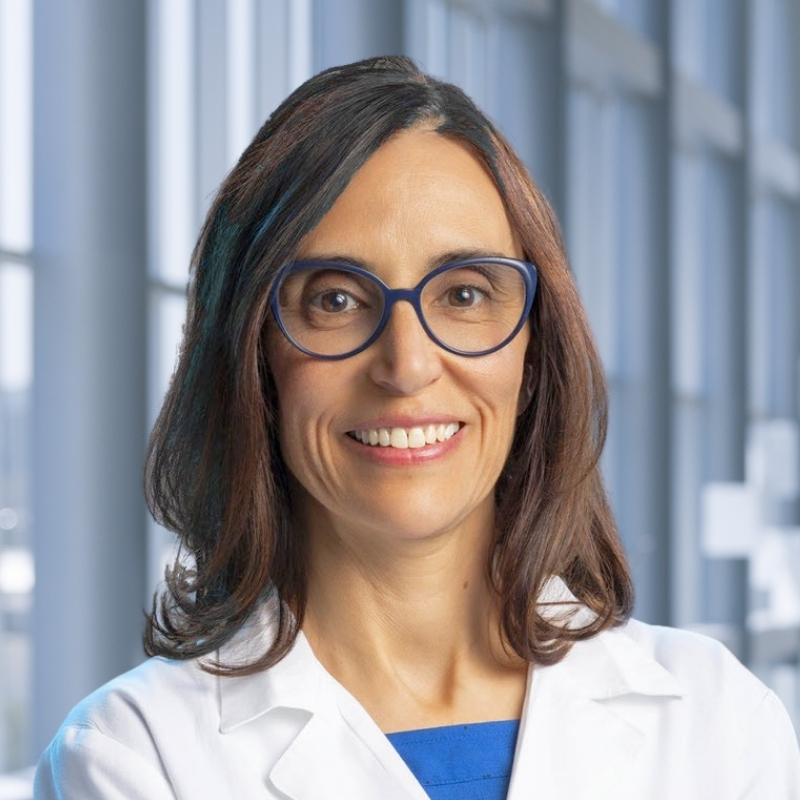
Denise Marciano, M.D., Ph.D.
Professor, Division of Nephrology
Director, Medical Scientist Training Program
Dr. Marciano studies the molecular and cellular mechanisms that shape kidney development and function. Her research has helped explain how nephron tubules form, establish internal spaces called lumens, and connect to create a functioning kidney. More recently, her laboratory has focused on the kidney’s inner medulla, a technically challenging and comparatively understudied region that plays an important role in concentrating urine.
Her laboratory combines mouse genetics, advanced microscopy, cell-based models, and genomic technologies to investigate kidney physiology and disease. Recent work has examined the ascending thin limb of the Loop of Henle and the specialized cellular structures that support its function. Her group has also identified signaling pathways involved in joining renal tubules during development, providing information that could inform efforts to engineer functional kidney tissues. These studies link fundamental questions about organ development with investigations of kidney injury, repair, and conditions such as Alport syndrome. Her findings have appeared in journals including Development and Proceedings of the National Academy of Sciences.
Mentoring and physician-scientist development are also prominent parts of Dr. Marciano’s work. She trains graduate students and research fellows, serves on thesis and qualifying examination committees, and participates in programs for undergraduate and medical trainees. Her leadership roles have included Associate Director of the Internal Medicine Physician Scientist Training Program and participation in programs supporting kidney cancer research. She has been elected to the American Society for Clinical Investigation and holds the Carolyn R. Bacon Distinguished Professorship in Medical Science and Education.
Dr. Marciano joined the UT Southwestern faculty in 2012.
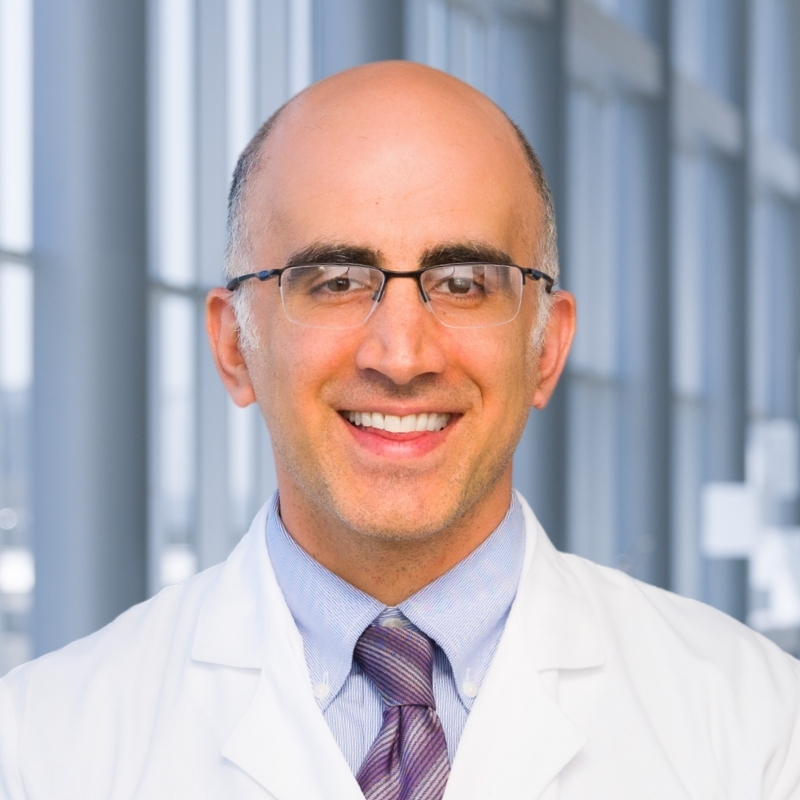
Sasan Mirfakhraee, M.D.
Professor, Division of Endocrinology
Medical Director, Diabetes Management Program
Training future endocrinologists has been a defining component of Dr. Mirfakhraee’s career. As Program Director of the Endocrinology, Diabetes, and Metabolism Fellowship, he oversees trainee education and program development. He also serves as Medical Director of the Diabetes Management Program at William P. Clements Jr. University Hospital, which includes the inpatient diabetes consult service and diabetes education programs. His clinical practice encompasses diabetes, pituitary disorders, adrenal disease, and neuroendocrinology.
Dr. Mirfakhraee teaches fellows, residents, medical students, advanced practice providers, and allied health professionals through clinics, inpatient services, conferences, and formal lectures. His educational activities address pituitary and adrenal disorders, diabetes management, endocrine physiology, and clinical decision-making. Endocrinology fellows have selected him three times for the Daniel W. Foster, M.D. Teaching Award, which recognizes a faculty member’s contributions to fellowship education.
His scholarly work draws heavily from questions encountered in clinical care. Dr. Mirfakhraee has studied cystic fibrosis-related diabetes and the use of glucagon-like peptide-1 receptor agonists in people with cystic fibrosis. Another area of investigation involves continuous subcutaneous hydrocortisone infusion for patients with adrenal insufficiency who remain symptomatic with conventional oral therapy. He has also supported quality improvement projects involving inpatient insulin use, diabetic ketoacidosis, hypoglycemia, and staff education. Several of these initiatives have provided research and presentation opportunities for fellows, pharmacists, and advanced practice providers, connecting his clinical, educational, and mentoring responsibilities.
Dr. Mirfakhraee joined the UT Southwestern faculty in 2012.
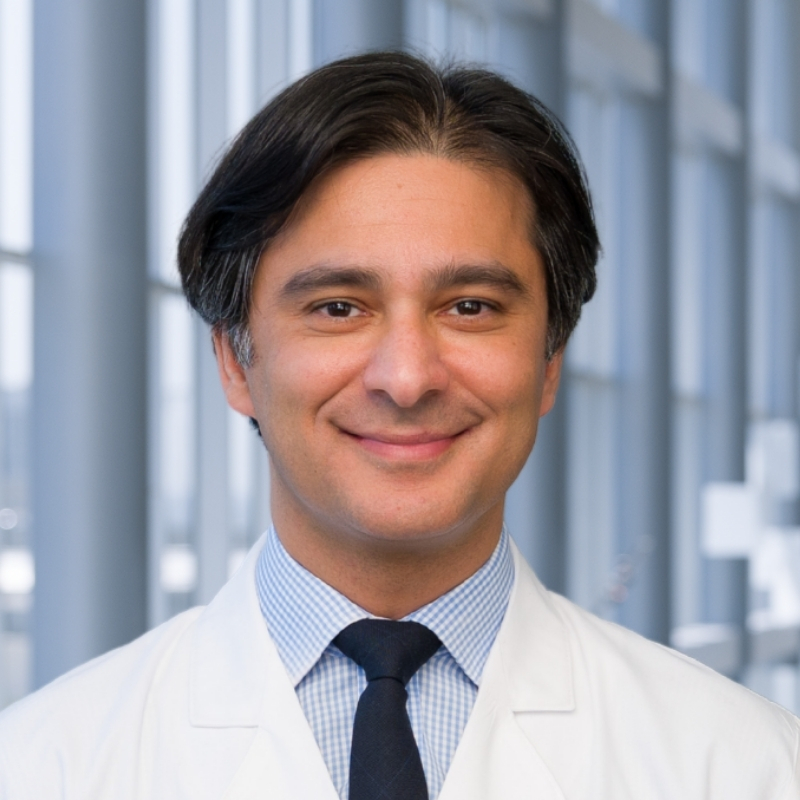
Arjmand Mufti, M.D.
Professor, Division of Digestive & Liver Diseases
Medical Director, Liver Transplantation Program
As Medical Director of the Liver Transplantation Program, Dr. Mufti oversees a growing clinical service devoted to patients with advanced liver disease and those undergoing transplantation. A transplant hepatologist, he provides inpatient and outpatient care for complex liver conditions while helping guide transplant evaluation, wait-list management, and multidisciplinary care. His leadership has accompanied increases in transplant evaluations, waiting-list activity, and the number of liver transplants performed at UT Southwestern.
Education has been a significant part of Dr. Mufti’s career. He previously served as Program Director of the Gastroenterology Fellowship, supporting the program’s growth and curriculum development. He now serves as Associate Program Director of the Transplant Hepatology Fellowship and continues to mentor residents, fellows, and early-career physicians. His teaching occurs at the bedside, in clinics, and through lectures and continuing medical education programs. He has also contributed to national education through the American Gastroenterological Association’s postgraduate course at Digestive Disease Week.
Alongside his clinical and administrative responsibilities, Dr. Mufti maintains a scholarly portfolio focused on cirrhosis, liver transplantation, and the management of chronic and decompensated liver disease. He has authored original research articles and other scholarly works, including clinical guidance addressing combined heart-liver transplantation. He has also participated in clinical studies and delivered invited presentations at national and international meetings. Together, his patient care, educational leadership, and scholarship have supported the development of UT Southwestern’s hepatology and transplantation programs.
Dr. Mufti joined the UT Southwestern faculty in 2012.
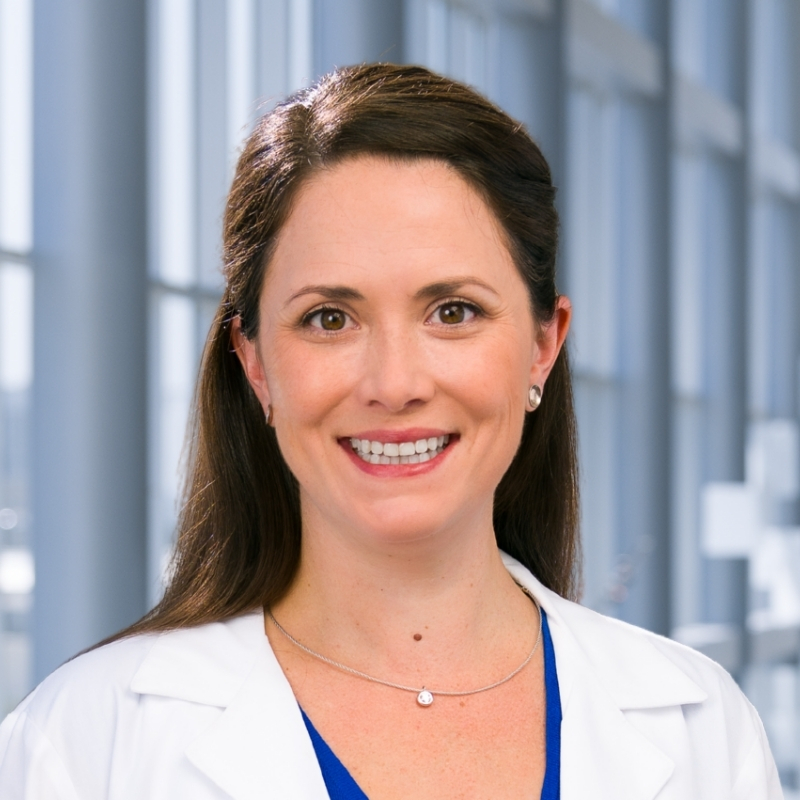
Ann Marie Navar, M.D., Ph.D.
Professor, Division of Cardiology
Associate Program Director for Academic Development, Cardiology Fellowship
As a preventive cardiologist and cardiovascular epidemiologist, Dr. Navar studies how clinicians and health systems can better identify and reduce cardiovascular risk. Her work addresses lipid management, access to preventive therapies, and the use of clinical data to improve care. She also sees patients in preventive cardiology, including at UT Southwestern Medical Center at RedBird, and has helped develop clinical initiatives involving newer cholesterol-lowering treatments.
Dr. Navar’s research has examined how cumulative exposure to cholesterol contributes to cardiovascular disease, how apolipoprotein B can inform risk assessment, and why patients may not receive recommended therapies. She has used electronic health records, insurance claims, and national data sets to identify gaps in preventive care. More recently, she has explored the use of large language models to extract clinical information and identify potential participants for research. She also serves in leadership positions for international trials evaluating cardiovascular therapies and has contributed to national guidelines concerning cholesterol and coronary artery disease.
Education and mentorship connect many parts of her work. As Associate Program Director for Academic Development in the Cardiology Fellowship, Dr. Navar helps coordinate scholarly training and mentors fellows conducting clinical research. Her mentees include medical students, residents, fellows, graduate students, and junior faculty members. She has also held editorial roles with cardiovascular journals, including service as a Deputy Editor of JAMA Cardiology, and participates in professional organizations devoted to cardiovascular disease prevention.
Dr. Navar joined the UT Southwestern faculty in 2020.
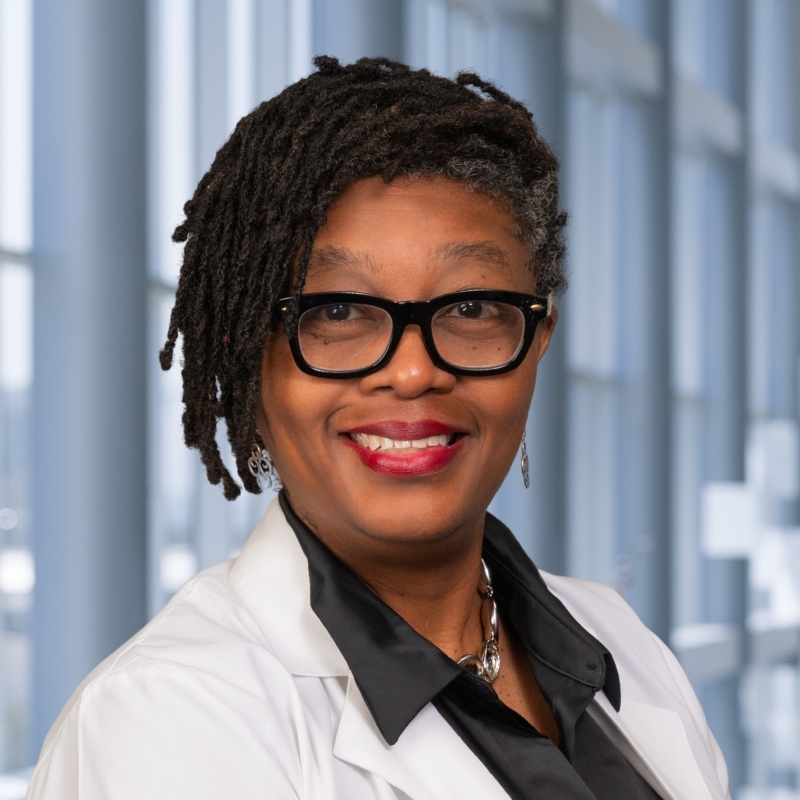
Ramona Rhodes, M.D., M.P.H.
Professor, Division of Geriatric Medicine
Improving equity in aging and end-of-life care has been a central focus of Dr. Rhodes’ career. Her research examines how social, economic, and structural conditions influence health decisions and access to care for older adults. She also provides clinical care and supervises trainees at Parkland Health and William P. Clements Jr. University Hospital. Dr. Rhodes holds a secondary appointment in the Peter O’Donnell Jr. School of Public Health and is an affiliate member of the Harold C. Simmons Comprehensive Cancer Center.
Her scholarship has addressed advance care planning, palliative care, hospice use, and disparities affecting older adults and patients receiving care in safety-net health systems. While working with the Central Arkansas Veterans Healthcare System, she helped implement programs supporting care transitions and the identification of health-related social needs among older veterans. Since returning to UT Southwestern, she has continued developing interventions intended to help older adults understand and document their preferences for serious illness and end-of-life care. She also contributes to projects involving Alzheimer’s disease research recruitment, cognitive screening, and community engagement.
Dr. Rhodes teaches medical students, residents, fellows, and physician assistant students while mentoring trainees and early-career investigators. She has established research and writing activities within the Division of Geriatric Medicine and helps colleagues move clinical and educational projects toward presentation and publication. Her national service includes leadership roles with the American Geriatrics Society and editorial work addressing diversity in aging research.
Dr. Rhodes joined the UT Southwestern faculty in 2009.
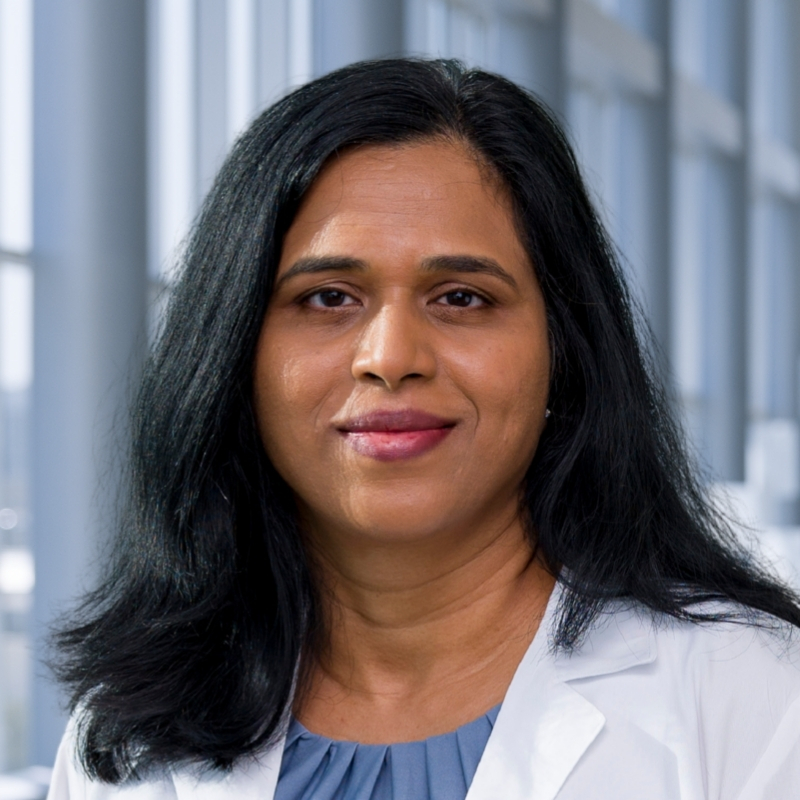
Madhuri Sopirala, M.D., M.P.H.
Professor, Division of Infectious Diseases & Geographic Medicine
Chief of Infection Prevention, Parkland Health
At Parkland Health, Dr. Sopirala leads programs intended to prevent healthcare-associated infections and strengthen patient safety across a large public health system. Her work as Chief of Infection Prevention combines healthcare epidemiology, quality improvement, staff education, outbreak preparedness, and antimicrobial stewardship. Before assuming her current role, she worked in infection prevention at the Dallas VA Medical Center and previously directed antimicrobial stewardship and infection control programs at other academic health systems.
Under her leadership, Parkland implemented evidence-based practices that reduced healthcare-associated infections and related federal payment penalties. Dr. Sopirala has also developed programs that prepare nurses and other frontline staff to carry out infection prevention initiatives. During the COVID-19 pandemic, she helped develop a structured response for serious infectious threats that supported patient care and staff safety. She later expanded this work through lectures and publications addressing outbreak readiness and hospital epidemiology.
Dr. Sopirala also founded a national burn infection interest group that brings together infectious diseases physicians, hospital epidemiologists, and burn surgeons to address gaps in evidence and clinical guidance. The group has developed a research agenda and is working on infection prevention recommendations for burn care. Her professional service includes activities with the Infectious Diseases Society of America and the Society for Healthcare Epidemiology of America. She teaches fellows, residents, nurses, and other healthcare professionals and mentors trainees on research and quality improvement projects that have led to conference presentations and peer-reviewed publications.
Dr. Sopirala joined the UT Southwestern faculty in 2017.
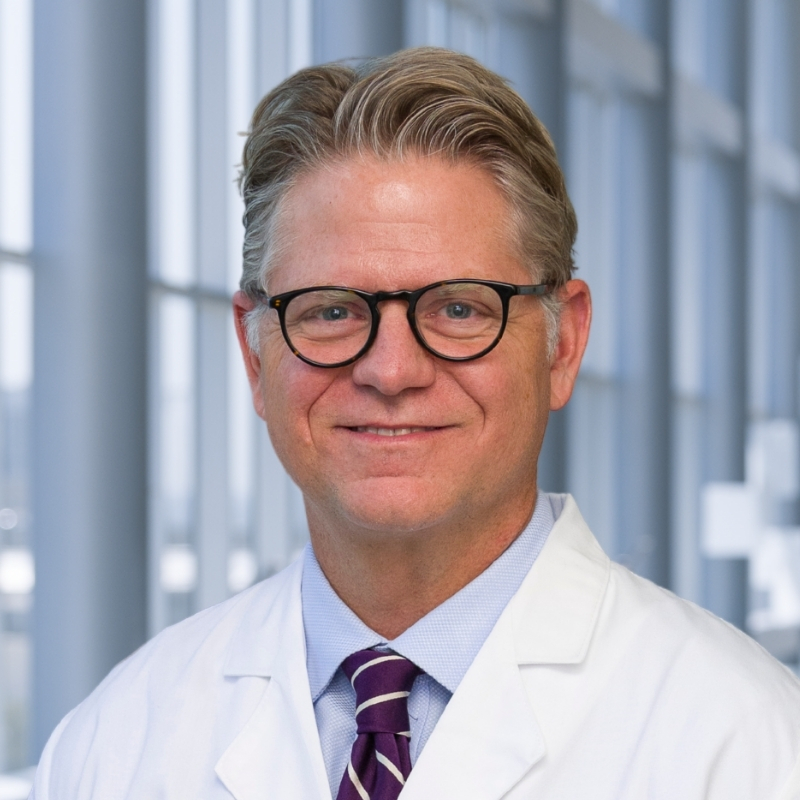
Alex Tessnow, M.D., M.B.A.
Professor, Division of Endocrinology
Endocrine Service Chief, Parkland Health
Dr. Tessnow’s clinical and educational work centers on thyroid disease, thyroid cancer, and interventional thyroidology. His practice includes evaluating thyroid nodules, managing thyroid malignancies, and performing ultrasound-guided biopsies. As Endocrine Service Chief at Parkland Health, he has contributed to the development and organization of specialty services that improve access to thyroid evaluation and treatment.
At Parkland, Dr. Tessnow helped reorganize the multidisciplinary endocrine tumor clinic into a dedicated Thyroid Cancer Clinic at the Moody Center for Breast Health and Cancer Care. He also established a thyroid fine-needle aspiration clinic where endocrinology fellows receive supervised training in thyroid ultrasound and biopsy techniques. Beyond UT Southwestern, he has developed and taught neck ultrasound courses for the American Association of Clinical Endocrinology (AACE) and has helped train physicians in thyroid imaging and procedural skills.
His educational activities span medical students, physician assistant students, residents, fellows, and practicing clinicians. Dr. Tessnow teaches endocrine anatomy, thyroid and parathyroid disorders, thyroid cancer management, and ultrasound skills in classrooms and clinical settings. His scholarship has examined hypothyroidism, thyroid treatment patterns, endocrine epidemiology, and clinical education. He has mentored trainee research projects and contributed to patient education through interviews, podcasts, and web content. Dr. Tessnow also serves professional organizations through committees and leadership roles involving thyroid education and clinical practice, including work with the American Thyroid Association and the AACE.
Dr. Tessnow joined the UT Southwestern faculty in 2011.
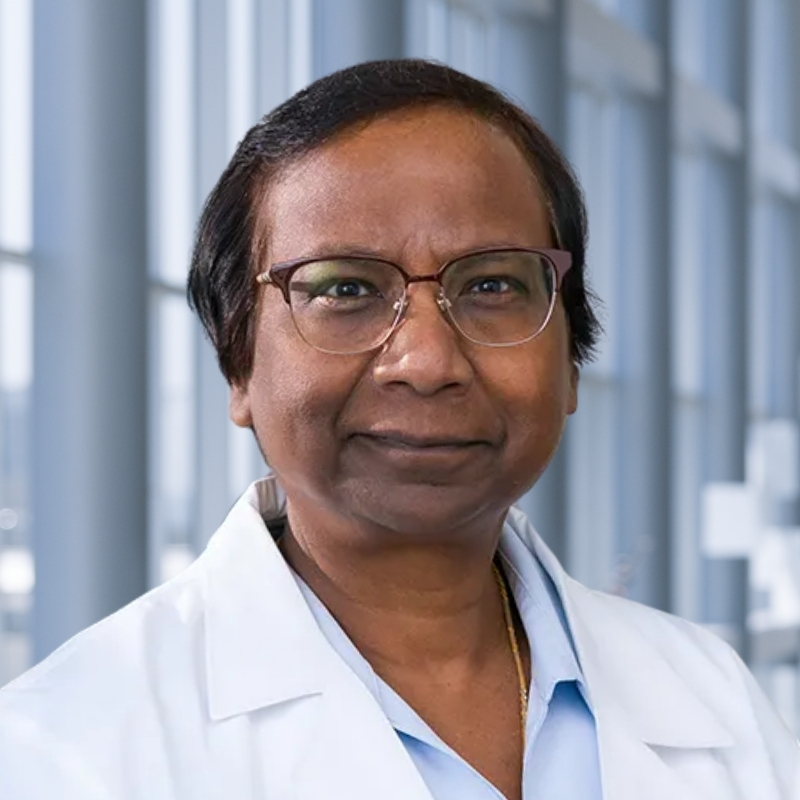
Emilia Thomas, M.D., M.B.A.
Clinical Professor, Division of Hospital Medicine
During two decades in Hospital Medicine, Dr. Thomas has combined patient care with resident education, institutional service, and mentorship. Her clinical work is centered at William P. Clements Jr. University Hospital, where she cares for hospitalized patients with a range of acute and complex medical conditions. A former Medical Director of Hospital Medicine, she continues to support the division through coaching, faculty development, and participation in hospital operations.
Dr. Thomas has served on numerous hospital and university committees concerned with quality, safety, organizational improvement, and institutional culture. Her service has included initiatives benefiting patients, clinical teams, and the broader health system. She is also a UT Southwestern-certified coach and has completed additional training focused on teamwork and leadership. These skills complement her longstanding role as a mentor to faculty members, trainees, and colleagues in Hospital Medicine.
Teaching remains a central part of her work. Dr. Thomas supervises internal medicine residents and medical students on inpatient services, emphasizing patient advocacy, clinical reasoning, efficient care, communication, and collaboration. Learners have noted her ability to support independent decision-making while remaining available for guidance during challenging cases. They also describe the attention she gives to the experiences of patients, families, trainees, nurses, and other hospital staff. Through her clinical practice, educational contributions, committee service, and one-on-one mentorship, Dr. Thomas has helped shape both the development of Hospital Medicine and the learning environment at Clements University Hospital.
Dr. Thomas joined the UT Southwestern faculty in 2005.
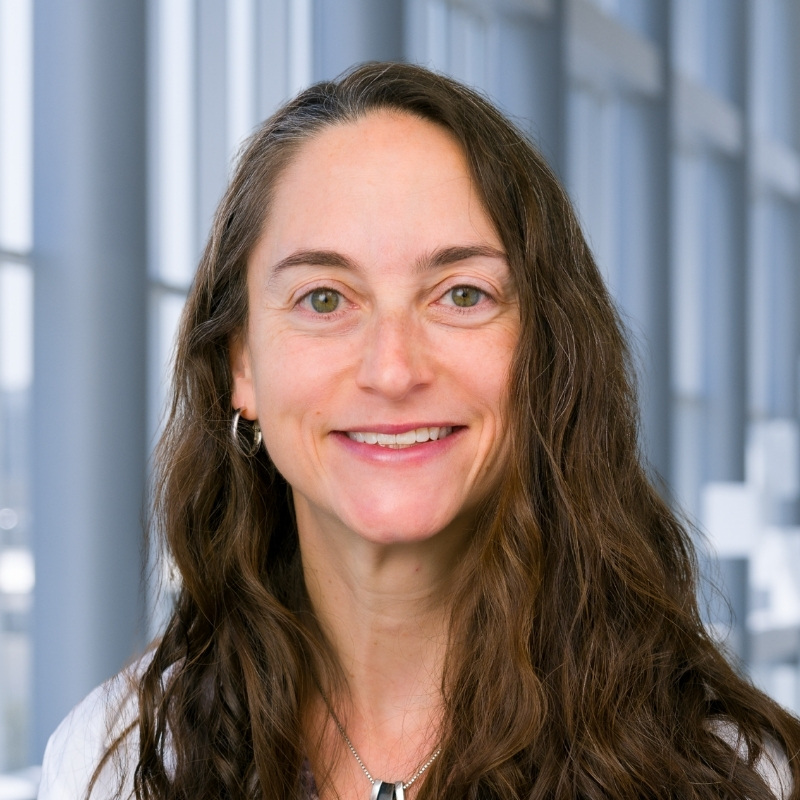
Netanya Utay, M.D.
Professor, Division of Infectious Diseases & Geographic Medicine
Clinical Chief, Division of Infectious Diseases & Geographic Medicine
Since joining UT Southwestern, Dr. Utay has helped expand infectious diseases services across Parkland Health and UT Southwestern. As Clinical Chief of the Division of Infectious Diseases and Geographic Medicine, she oversees clinical programs across the health system. Her work has included expanding consult services and weekend coverage while coordinating responses to emerging infectious threats, including mpox, avian influenza, measles, and shortages of blood culture supplies.
Dr. Utay’s clinical and research interests center on HIV treatment, aging, associated chronic conditions, and the microbiome. Through the Advancing Clinical Therapeutics Globally for HIV/AIDS and Other Infections network, formerly known as the AIDS Clinical Trials Group, she has helped guide national and international studies concerning HIV treatment and health outcomes. She also serves on the U.S. Department of Health and Human Services Panel on Antiretroviral Guidelines for Adults and Adolescents, which develops recommendations for the treatment of people living with HIV. Her scholarship includes more than 60 research manuscripts as well as reviews and book chapters.
Education and mentorship are integrated into her clinical and investigative work. After arriving at UT Southwestern, Dr. Utay helped establish an infectious diseases elective within the medical student clerkship curriculum. She teaches and mentors medical students, residents, infectious diseases fellows, and early-career faculty members, particularly those interested in HIV medicine and clinical research. She also contributes to editorial activities, scientific review committees, and professional organizations concerned with HIV care, infectious diseases, and clinical investigation.
Dr. Utay joined the UT Southwestern faculty in 2021.
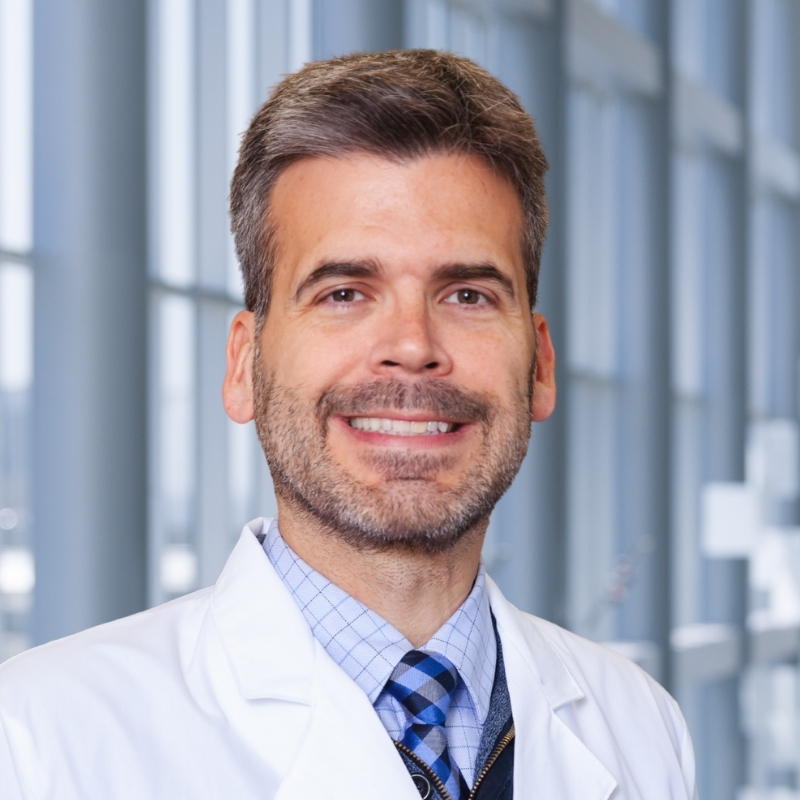
Kevin Williams, M.D.
Professor, Division of Endocrinology
Dr. Williams investigates how neural circuits within the hypothalamus regulate metabolism, body weight, food intake, and glucose balance. His laboratory combines electrophysiology, calcium imaging, and genetic models to examine how populations of neurons respond to hormones, nutrients, exercise, and other physiological signals. This approach connects cellular activity in the brain with whole-body metabolic health.
His research has advanced understanding of neural circuits involved in obesity and diabetes. Dr. Williams’ group demonstrated that exercise alters the properties and connections of hypothalamic neurons in ways that can produce lasting improvements in glucose regulation. His studies have also examined how GLP-1 and related medications act on brain circuits that control appetite, how TRPC5 channels contribute to energy balance, and how cellular stress responses in hypothalamic neurons affect feeding and glucose metabolism. His findings have appeared in journals including Science, Cell, Cell Metabolism, Nature Metabolism, and The Journal of Clinical Investigation. His laboratory’s work is supported by multiple grants from the National Institutes of Health.
Dr. Williams teaches graduate students and medical students in courses addressing neuroscience, metabolism, and the regulation of homeostasis. He mentors graduate students, postdoctoral researchers, and early-career scientists and serves on institutional committees supporting graduate education and research. His professional activities have included leadership roles with The Obesity Society and the Hypothalamus Gordon Research Conference, along with editorial positions and service on scientific review panels.
Dr. Williams joined the UT Southwestern faculty in 2007.
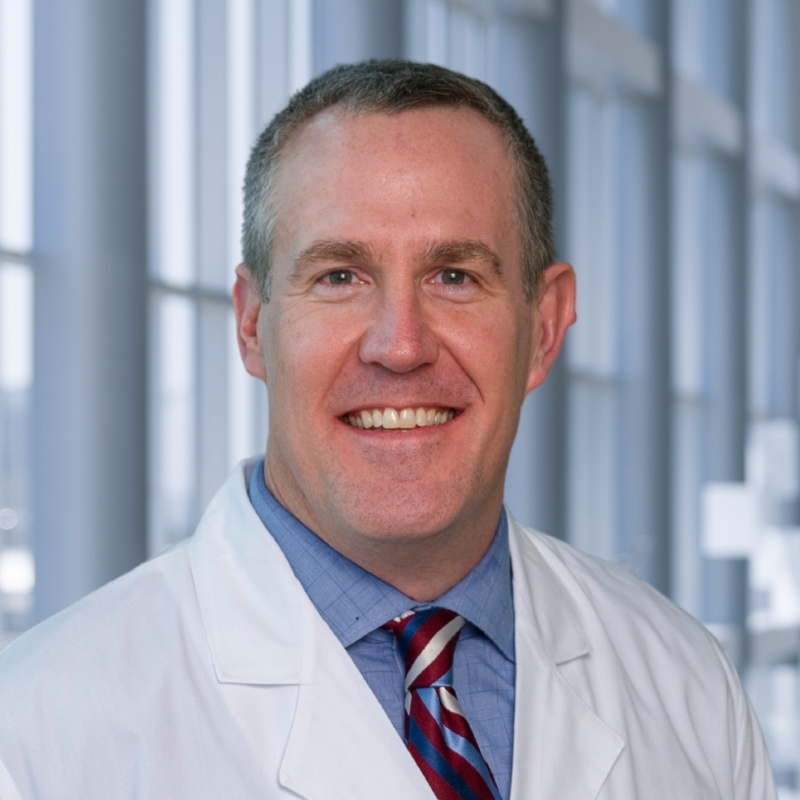
Christian Wysocki, M.D., Ph.D.
Professor, Division of Allergy & Immunolgy
Clinical Director, Primary Immunodeficiency Program
Dr. Wysocki cares for children and adults with primary immunodeficiency disorders, immune dysregulation syndromes, and other rare immune conditions. As Clinical Director of the Primary Immunodeficiency Program at UT Southwestern and Children’s Health, he coordinates evaluation and treatment across multiple specialties. He also advises the Texas Department of State Health Services on newborn screening for severe combined immunodeficiency and related disorders.
His research combines clinical investigation, genetics, and translational immunology. Working with multidisciplinary teams, Dr. Wysocki has helped identify and characterize genetic variants associated with previously unexplained immune disorders. His studies have addressed severe combined immunodeficiency, common variable immunodeficiency, intestinal inflammation associated with immune disease, and syndromes involving both immune and neurologic abnormalities. He participates in National Institutes of Health-supported research and multicenter studies conducted through the Primary Immune Deficiency Treatment Consortium. His scholarship includes more than 30 peer-reviewed publications in clinical and scientific journals.
Education is closely connected to Dr. Wysocki’s patient care and research. He directs a weekly clinical immunology conference that uses patient cases to integrate clinical medicine with basic immunology. He also teaches fellows, residents, medical students, graduate students, and medical interpreters. Dr. Wysocki has helped establish multidisciplinary clinics for patients with intestinal immune disorders and 22q11.2 deletion syndrome, creating settings in which specialists can coordinate care while trainees learn from complex cases. These programs also provide opportunities for clinical investigation and collaboration across departments.
Dr. Wysocki joined the UT Southwestern faculty in 2014.
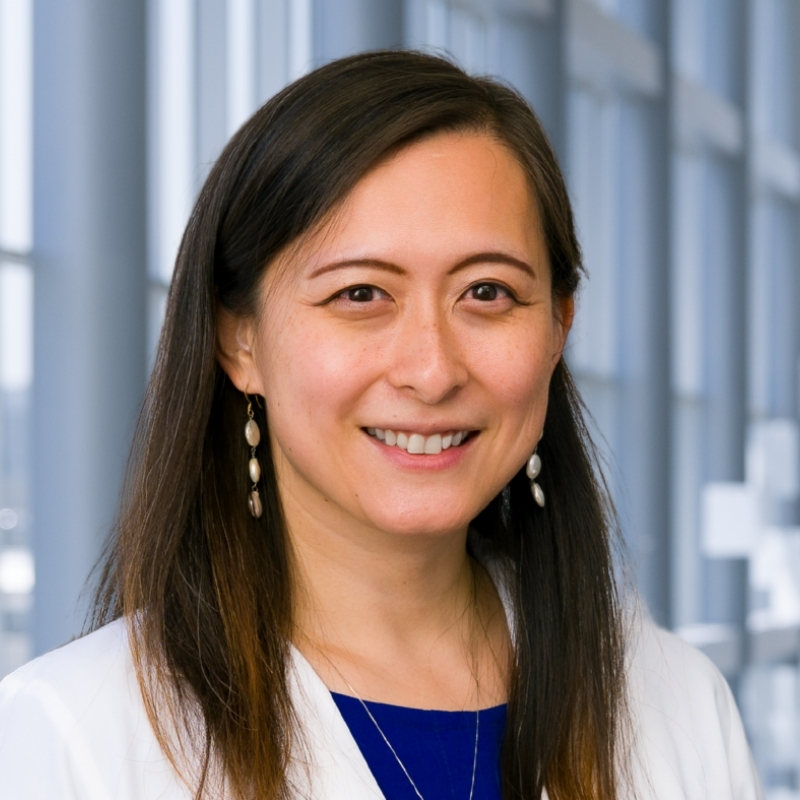
Tian Zhang, M.D., M.H.S.
Professor, Division of Hematology & Oncology
Associate Director of Clinical Research, Harold C. Simmons Comprehensive Cancer Center
Clinical trials and translational research form the foundation of Dr. Zhang’s work in genitourinary cancers. She treats patients with kidney, bladder, and prostate cancers while leading clinical research initiatives in the Division of Hematology and Oncology and the Harold C. Simmons Comprehensive Cancer Center. As the Division’s Director of Clinical Research and the Cancer Center’s Associate Director of Clinical Research, she helps develop trials, strengthen research infrastructure, and coordinate studies across disease programs.
Dr. Zhang’s research evaluates new therapies, treatment sequences, and biomarkers that may help match patients with appropriate care. She serves as the overall principal investigator of PDIGREE, a National Cancer Institute-sponsored phase 3 trial examining treatment strategies for metastatic kidney cancer. She has also led investigator-initiated trials involving kidney, bladder, and prostate cancers and helped UT Southwestern join the Prostate Cancer Clinical Trials Consortium. Her translational studies use blood and tissue samples to investigate treatment response and resistance, complementing her work in therapeutic clinical trials.
Mentoring and research education extend the impact of these programs. Dr. Zhang works with medical students, residents, fellows, postdoctoral researchers, and junior faculty interested in oncology and clinical investigation. She created a seminar series covering protocol development, cooperative research groups, grant preparation, and other aspects of clinical research. She has also helped early-career investigators develop investigator-initiated trials and compete for research funding. Her national service includes clinical guideline development, scientific planning, grant review, and leadership within cooperative research groups.
Dr. Zhang joined the UT Southwestern faculty in 2021.
Associate Professors
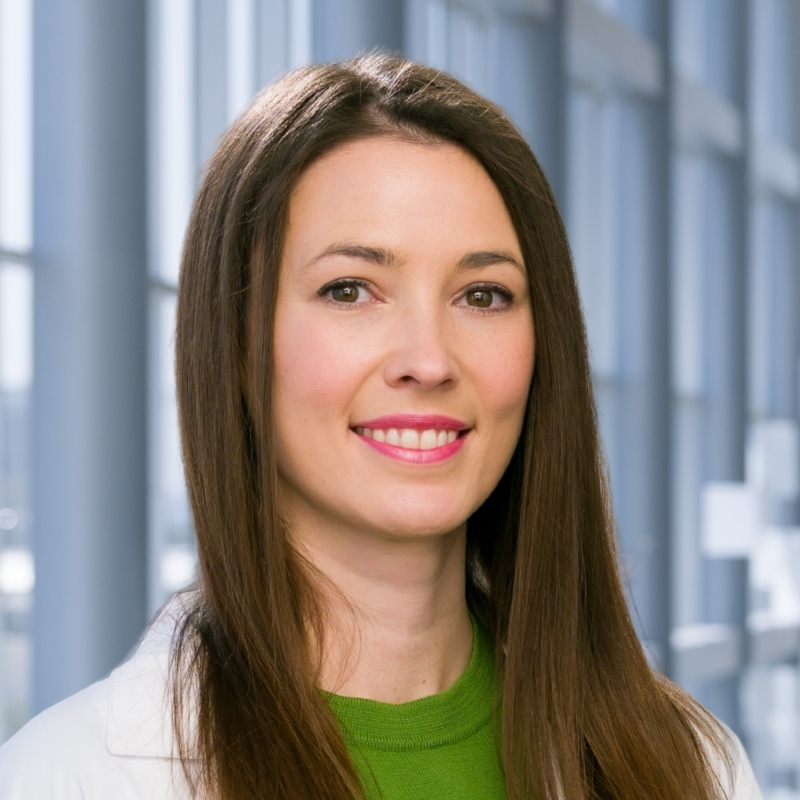
Ariel Aday, M.D.
Associate Professor
Digestive & Liver Diseases
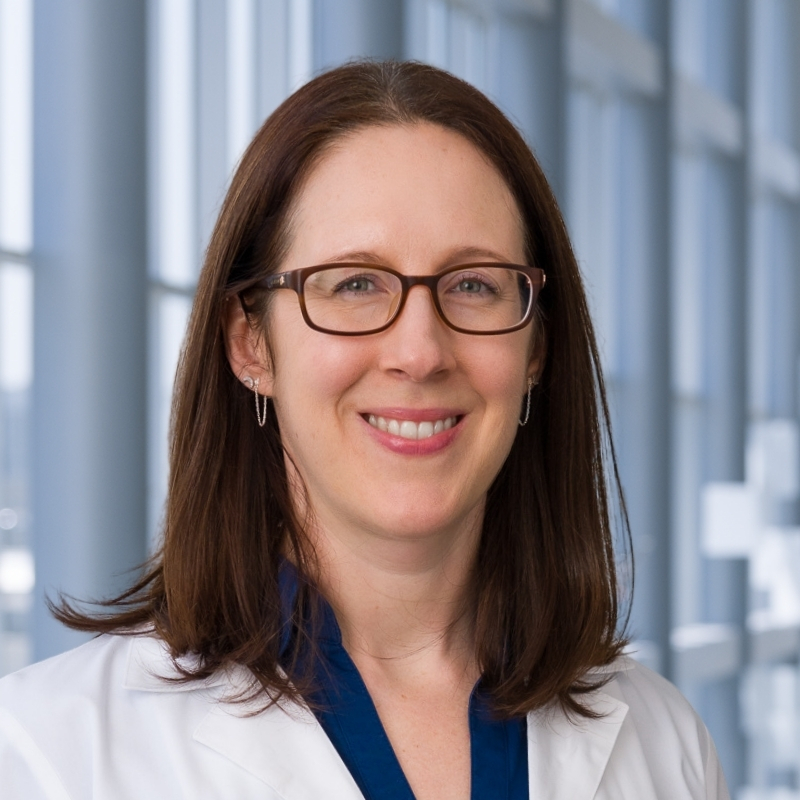
Bethany Agusala, M.D.
Associate Professor
General Internal Medicine
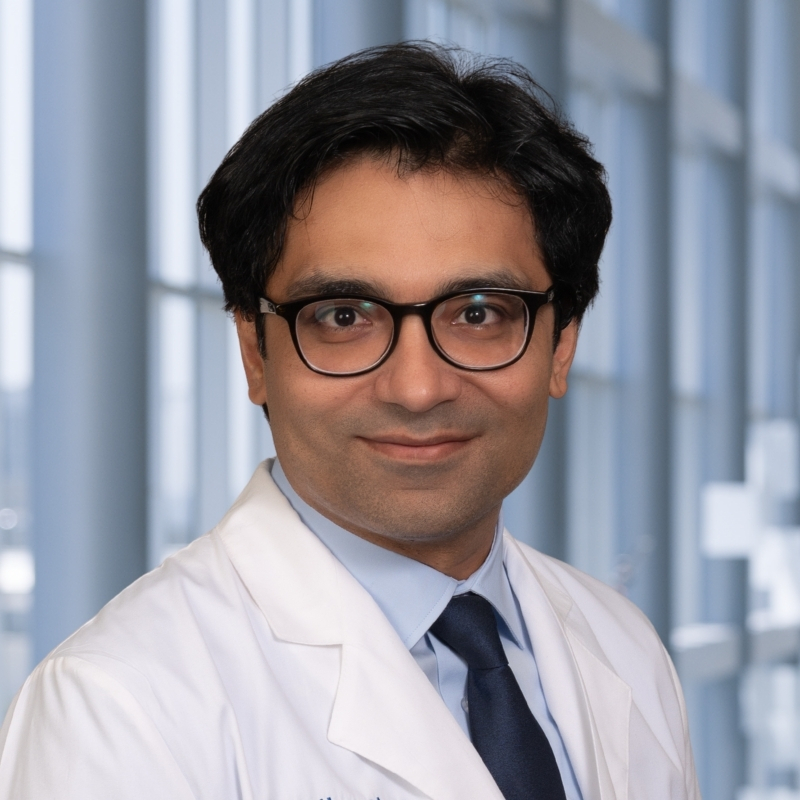
Salman Allana, M.D.
Associate Professor
Cardiology
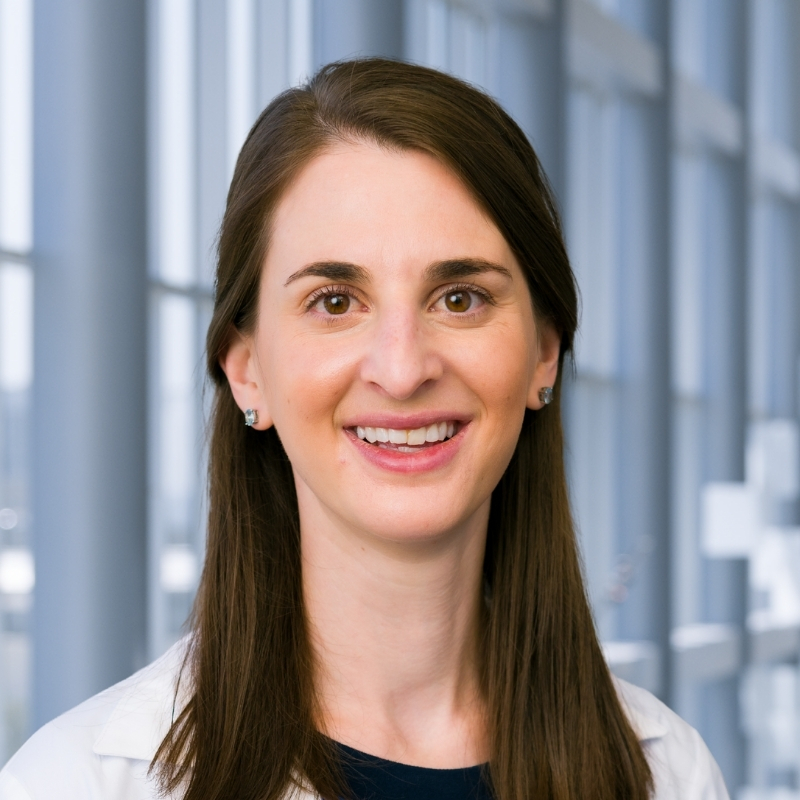
Natalie Bavli, M.D.
Associate Professor
Hematology & Oncology
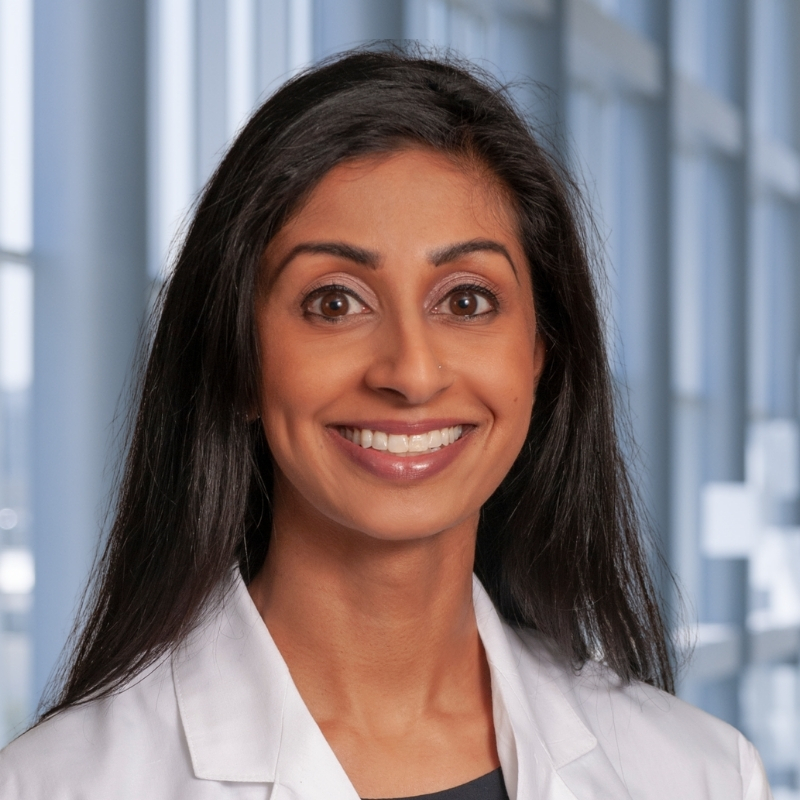
Divya Bhatt, M.D.
Clinical Associate Professor
Digestive & Liver Diseases
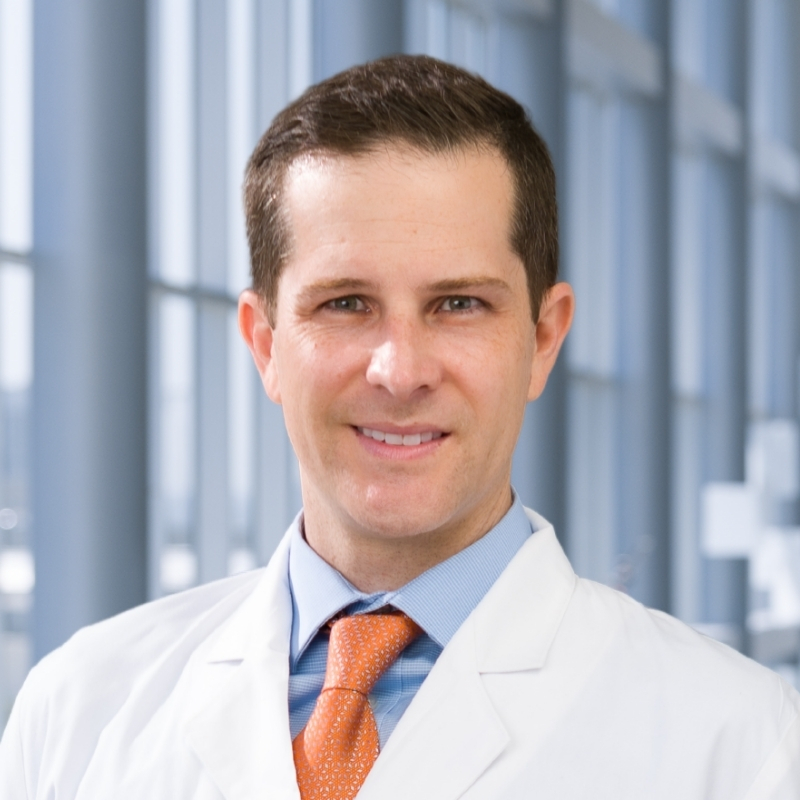
Paul Broker, M.D.
Associate Professor
Combined Internal Medicine & Pediatrics
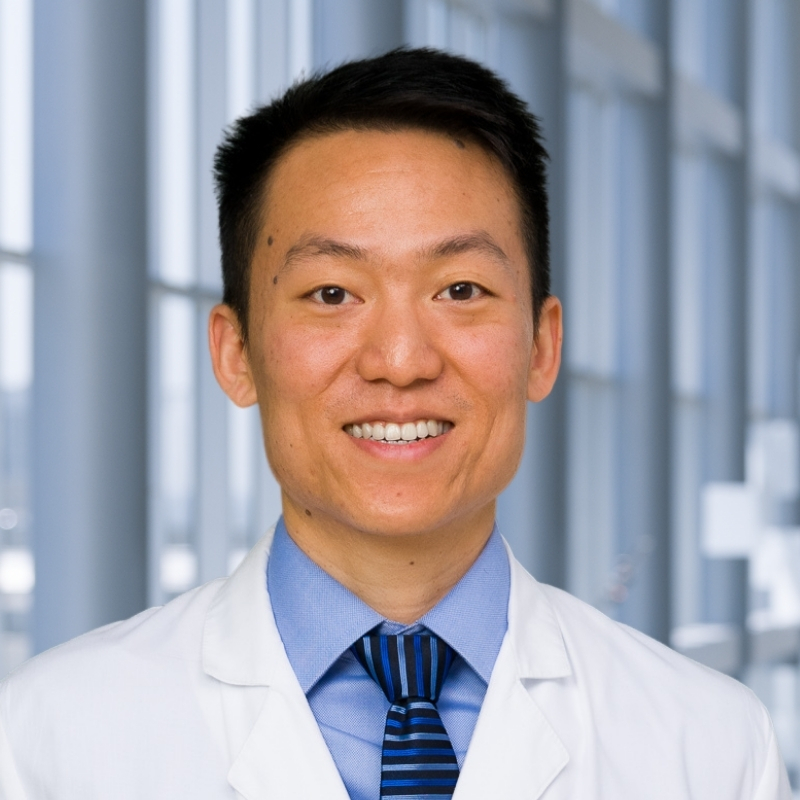
Eric Chang, M.D.
Clinical Associate Professor
Hospital Medicine
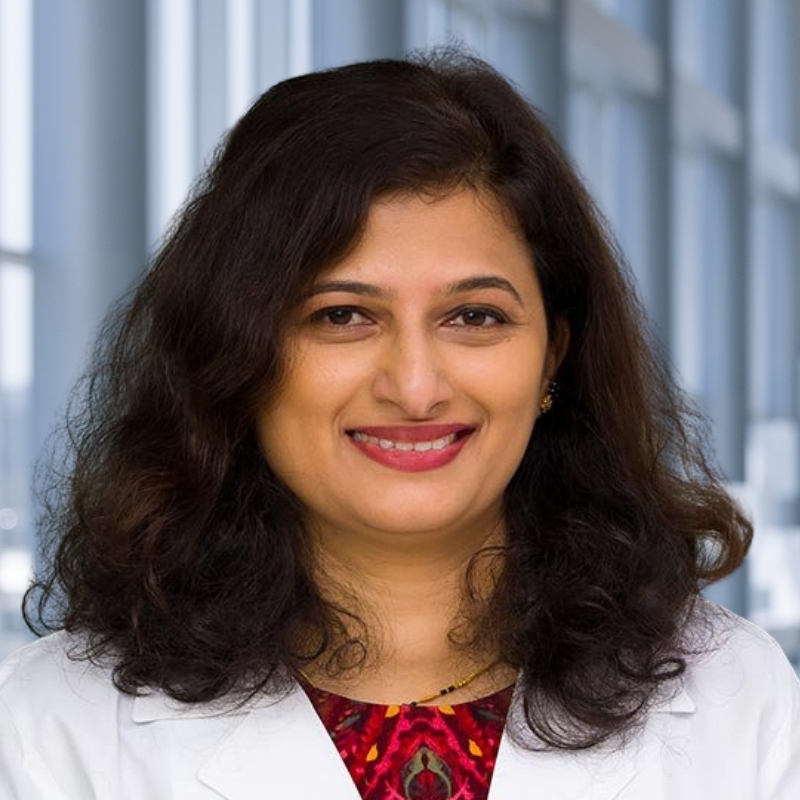
Prabhu Chenenda, M.D.
Clinical Associate Professor
Hospital Medicine
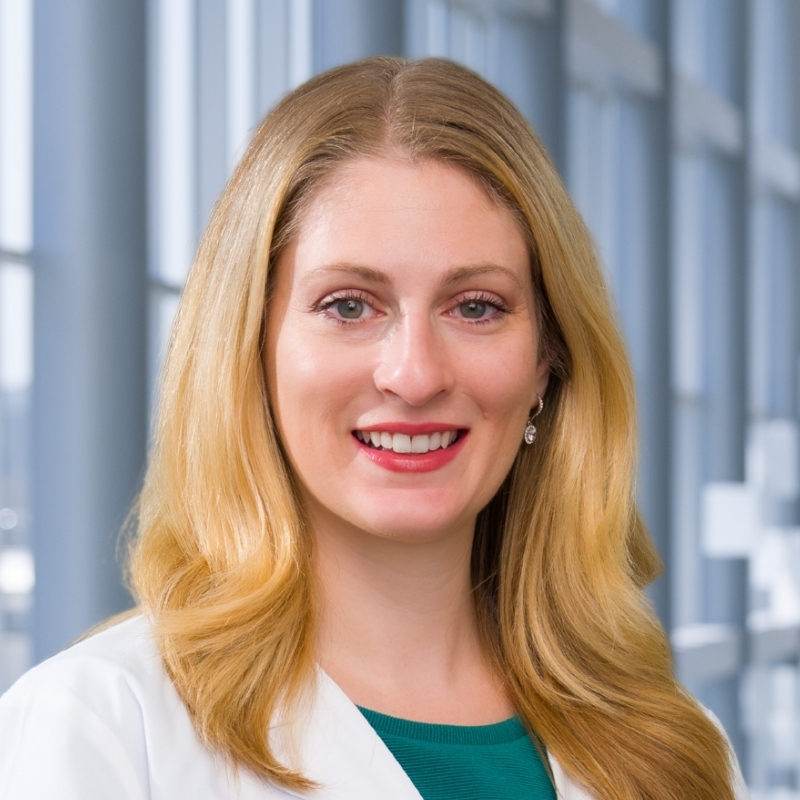
Tara DuVal, M.D.
Clinical Associate Professor
Geriatric Medicine
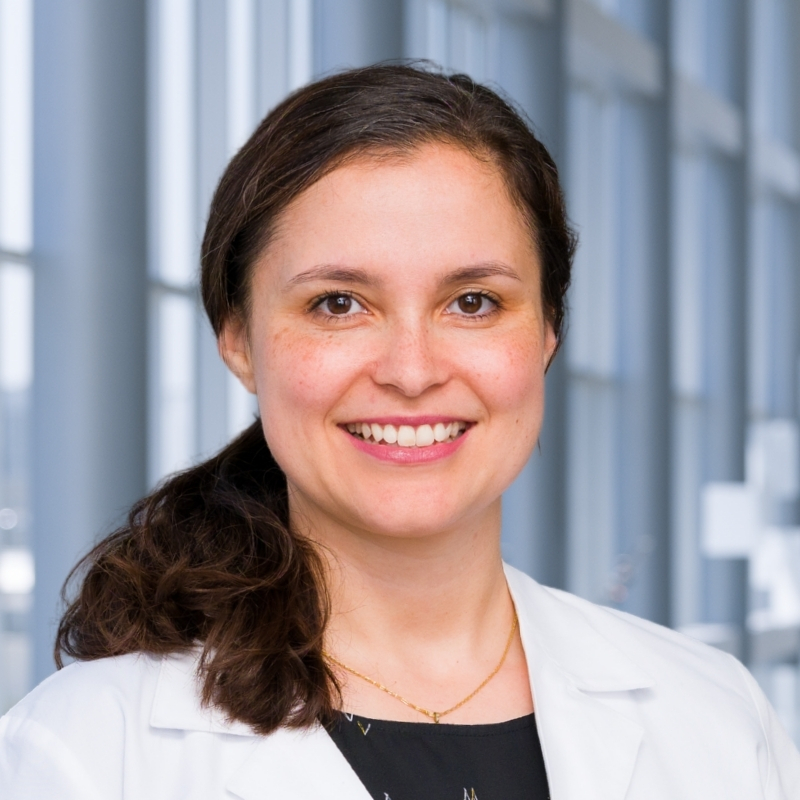
Magdalena Espinoza, M.D.
Clinical Associate Professor
Digestive & Liver Diseases
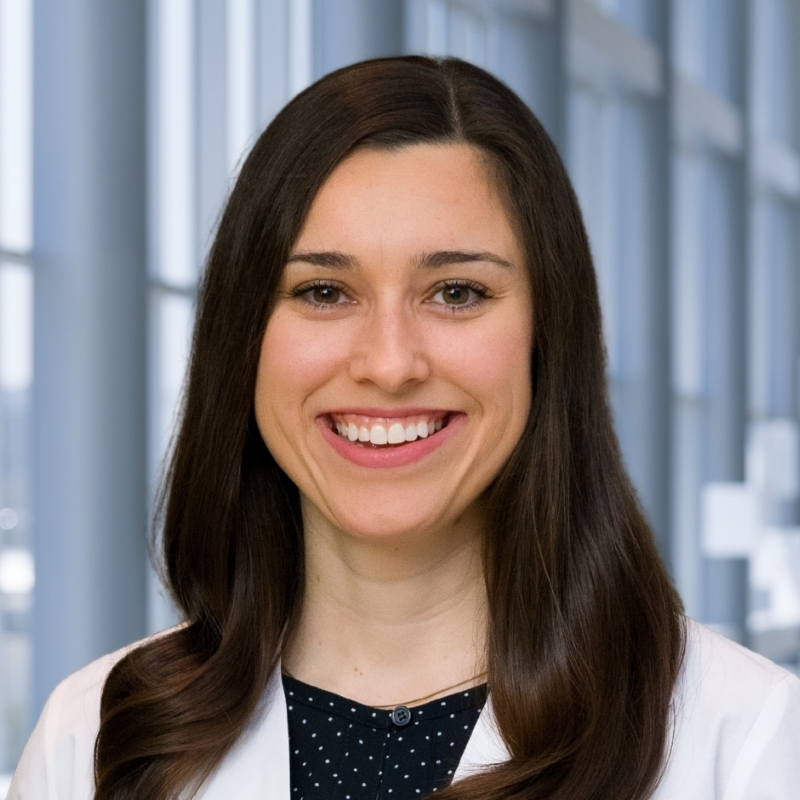
Lanna Felde, M.D.
Associate Professor
Hospital Medicine
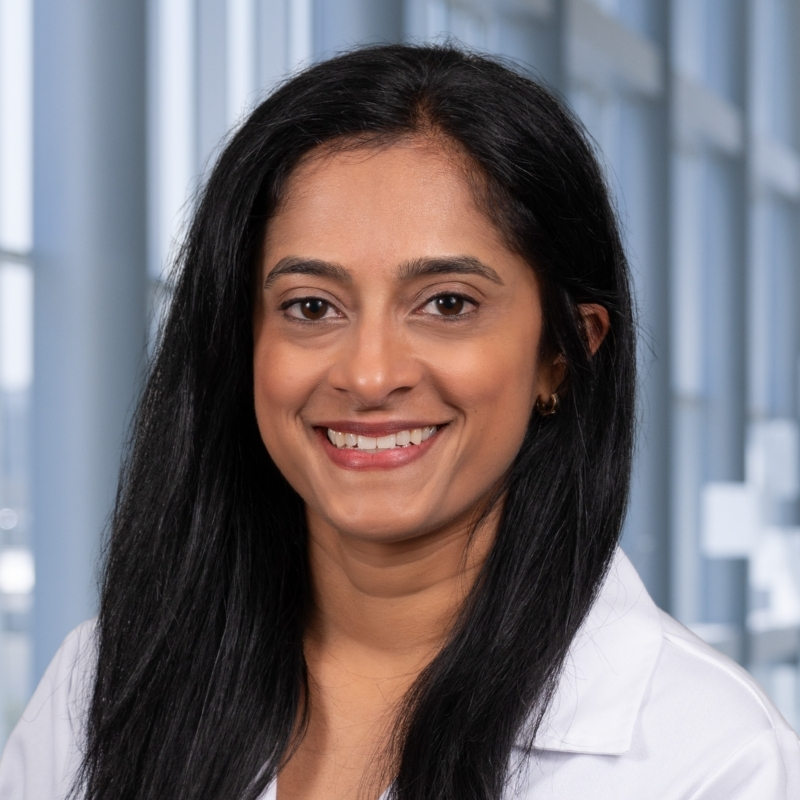
Sheila Hegde, M.D., M.P.H.
Associate Professor
Cardiology
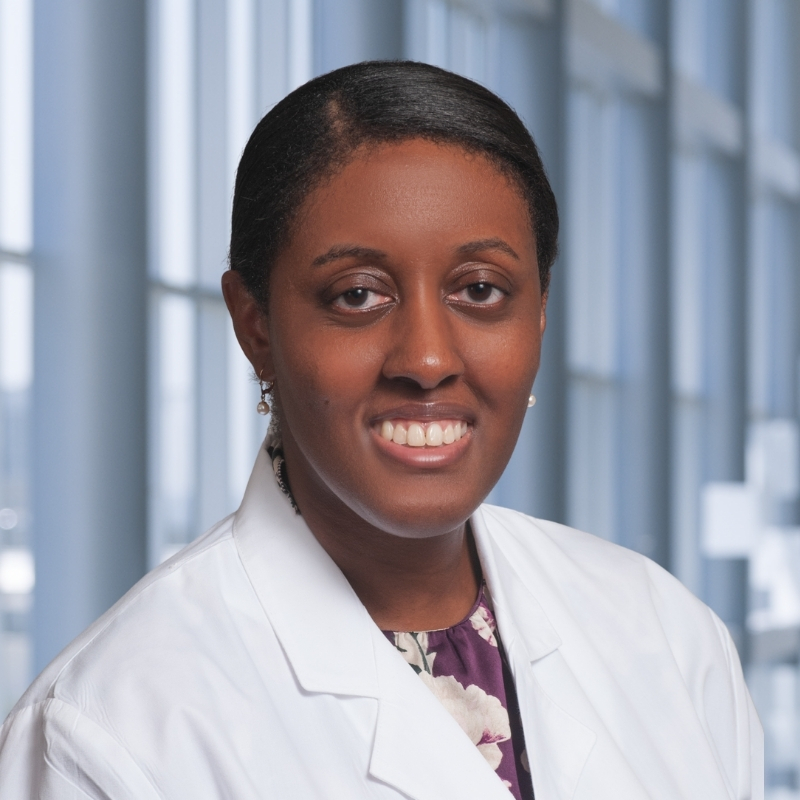
Sheena Knights, M.D.
Associate Professor
Infectious Diseases & Geographic Medicine
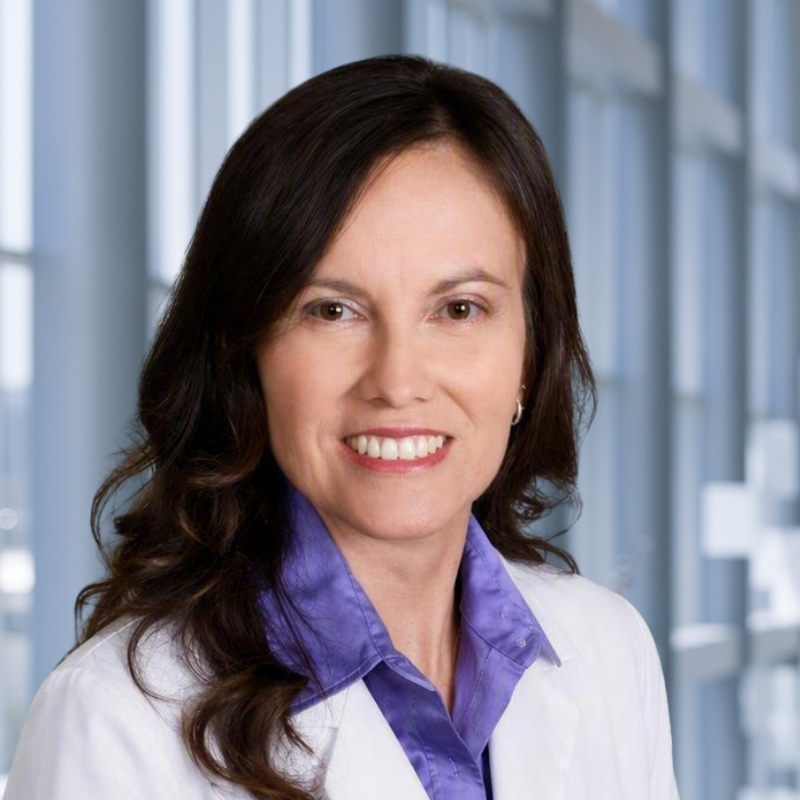
Patricia Larios, M.D.
Clinical Associate Professor
Geriatric Medicine
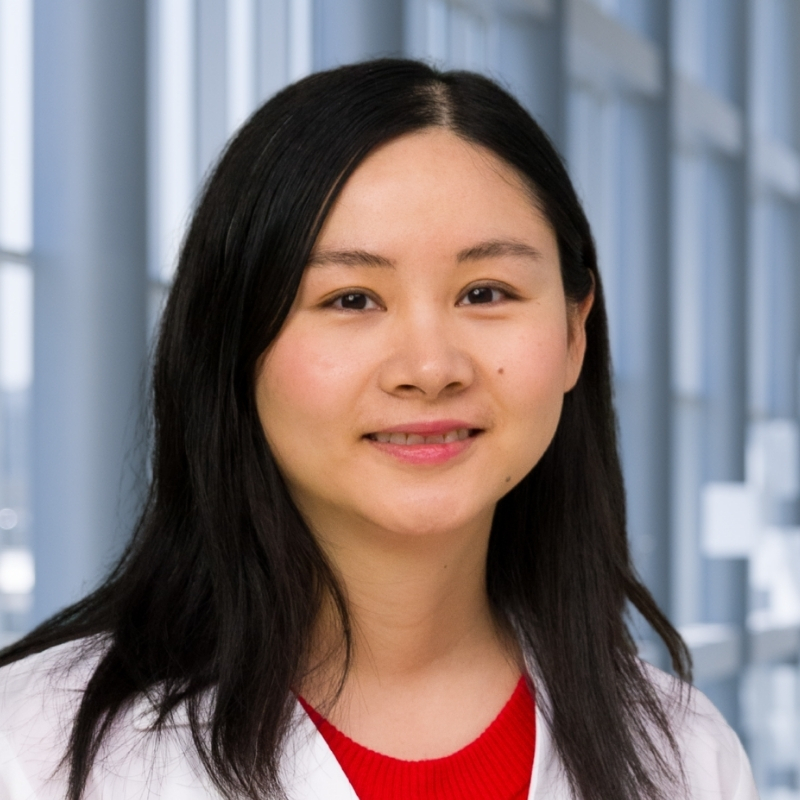
Shan Luong, M.D.
Associate Professor
Pulmonary & Critical Care Medicine
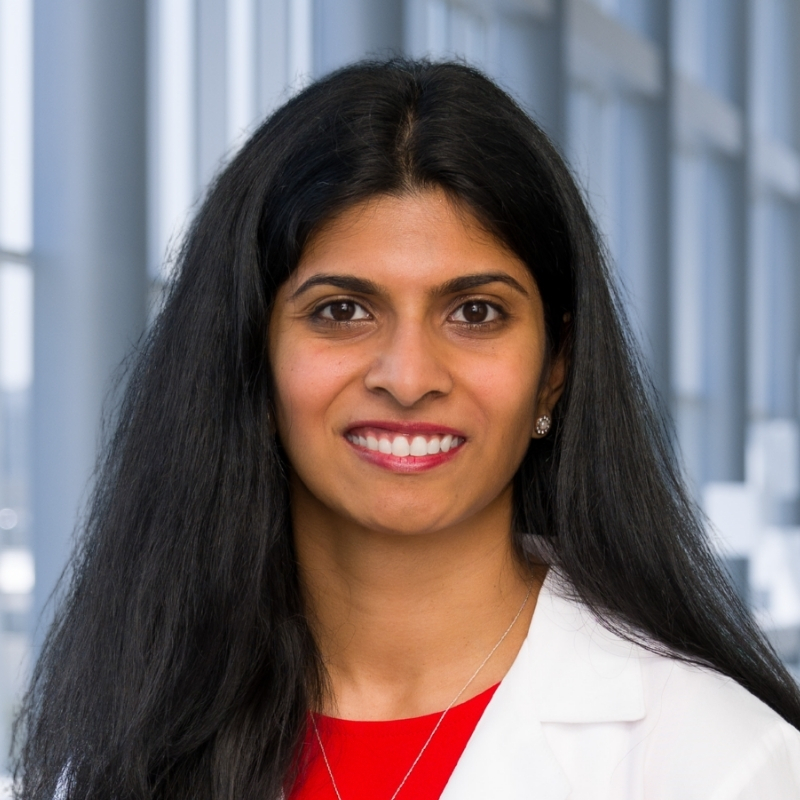
Sangeetha Reddy, M.D.
Associate Professor
Hematology & Oncology
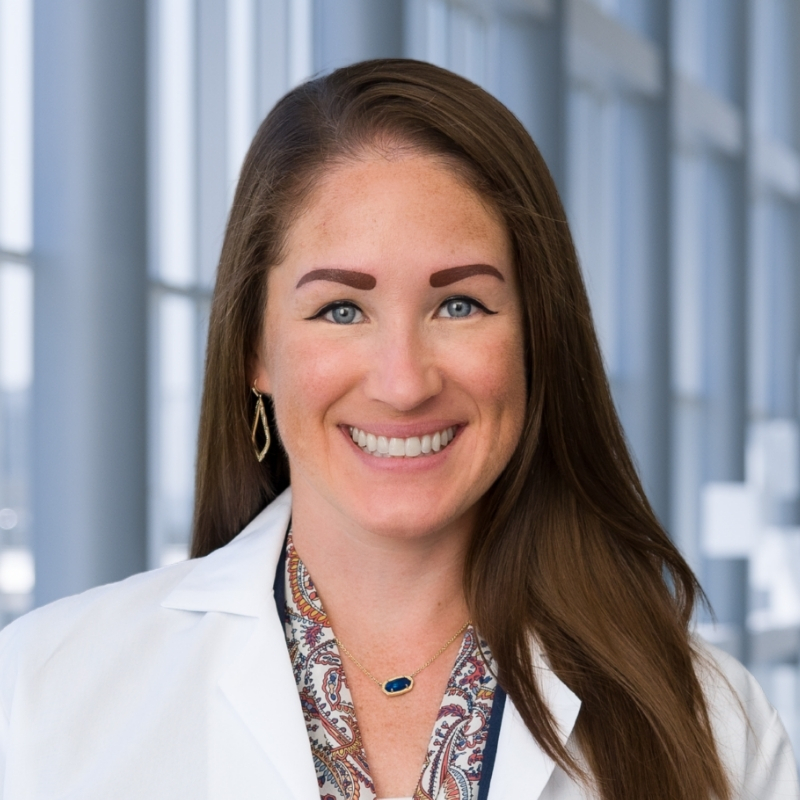
Audra Schwalk, M.D.
Associate Professor
Pulmonary & Critical Care Medicine
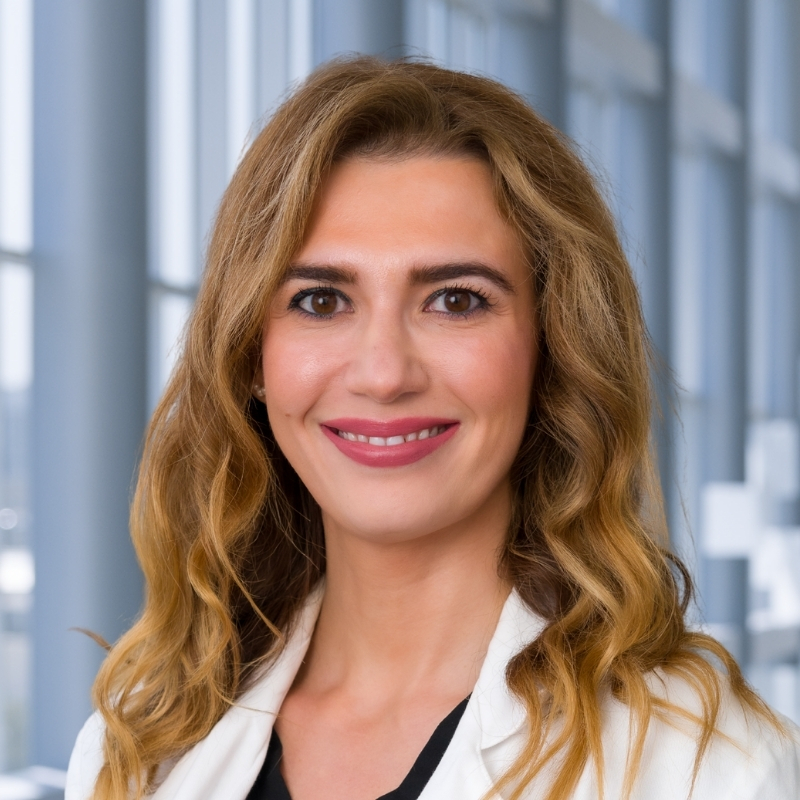
Ioana Smith, M.D.
Clinical Associate Professor
Digestive & Liver Diseases
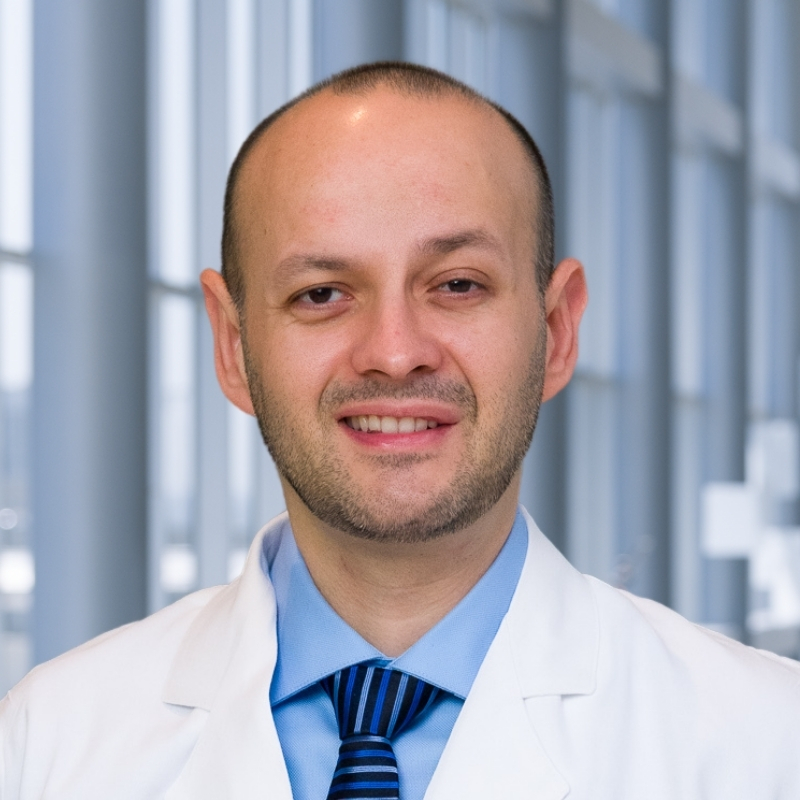
Jose Soto, M.D.
Clinical Associate Professor
Hospital Medicine
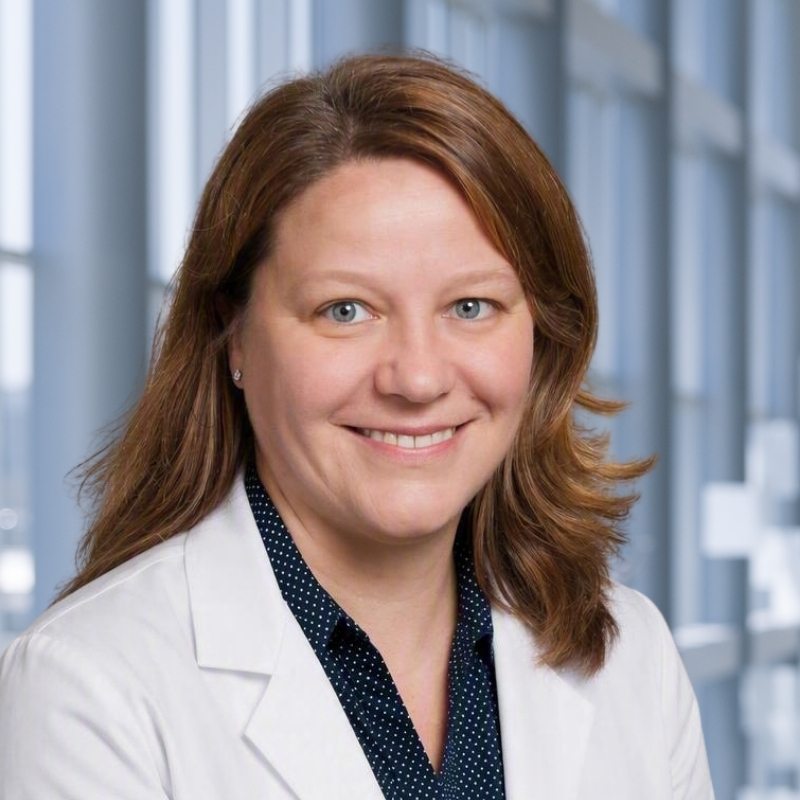
Greta Szabo, M.D.
Clinical Associate Professor
Digestive & Liver Diseases