
2026 Article Archive
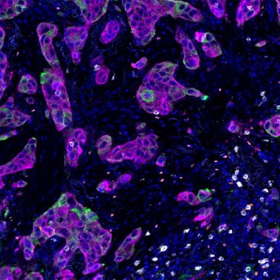
Type of KRAS mutation may guide more effective cancer treatments
KRAS is the most frequently mutated oncogene across all human cancers. Although different KRAS mutations have long been thought to exert the same cancer-driving effects, a new study led by UT Southwestern Medical Center researchers suggests that different KRAS mutation types can variously impact how cancer cells interact with immune cells, significantly affecting the malignant cells’ behavior.

FFP In Traumatic BRAin INjury (FIT-BRAIN) Trial
The University of Texas Southwestern Medical Center and Parkland Health are consulting the people of the Dallas area on participating in a trauma research study to investigate using one dose of fresh frozen plasma (FFP), the colorless fluid part of blood, to treat patients who suffered a traumatic brain injury.
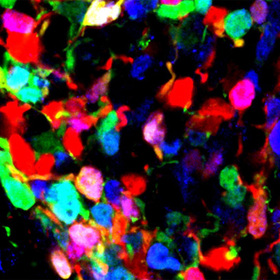
Developmental ‘switch’ in brain may shape lifelong obesity risk
Researchers at UT Southwestern Medical Center have discovered that a crucial developmental process in the brain’s hypothalamus may influence how susceptible individuals are to obesity.

Study finds gaps in concussion reporting across Texas high schools
Fewer concussions were reported among Texas high school athletes and students in urban and lower-income districts than in higher-income suburban districts despite larger enrollments, UT Southwestern Medical Center researchers found in a study.

Adult survivors of childhood cancer at higher risk for meningiomas
Certain chemotherapies are associated with an increased long-term risk of subsequent tumors in survivors of childhood cancer, according to a study led by researchers at UT Southwestern Medical Center.
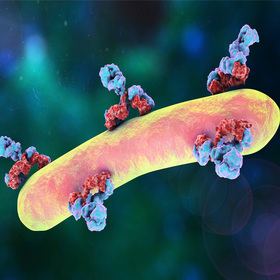
Antibodies block bacteria that cause tuberculosis, study shows
Antibodies that target specific tuberculosis (TB) proteins are effective at inhibiting the bacteria that cause TB, the infectious disease that claims the most lives worldwide, a study led by UT Southwestern Medical Center researchers found.
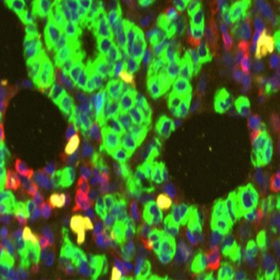
Study identifies why some breast cancers evade treatment
Up to 20% of hormone receptor-positive breast cancers don’t respond to antiestrogen therapies. A new study led by researchers at UT Southwestern, published in The Journal of Clinical Investigation, suggests that a protein secreted by immune cells within these tumors causes them to grow even in the absence of estrogen.

Experimental pill dramatically reduces ‘bad’ cholesterol
An experimental pill called enlicitide slashed levels of low-density lipoprotein (LDL) cholesterol, commonly known as “bad” cholesterol, by up to 60%, a new phase three clinical trial published in The New England Journal of Medicine showed.
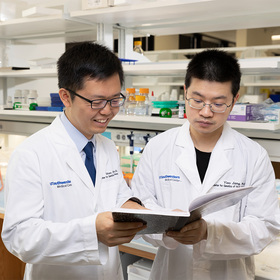
Study identifies key protein regulating cholesterol release
Two UT Southwestern Medical Center researchers have identified a protein that plays a key role in controlling the liver’s release of cholesterol-carrying lipoproteins into the bloodstream, a discovery that could lead to new treatments for atherosclerotic heart disease and fatty liver disease.

60 or older? Super Bowl LX parties offer a chance to kick off better health
If you’ve been around as long as the Super Bowl, which turns 60 this year, your seventh decade marks a great opportunity for you to get serious about those healthier lifestyle changes you’ve been putting off.