
National Postdoc Appreciation Week
From the trenches: Words of wisdom to postdocs from UTSW trailblazers
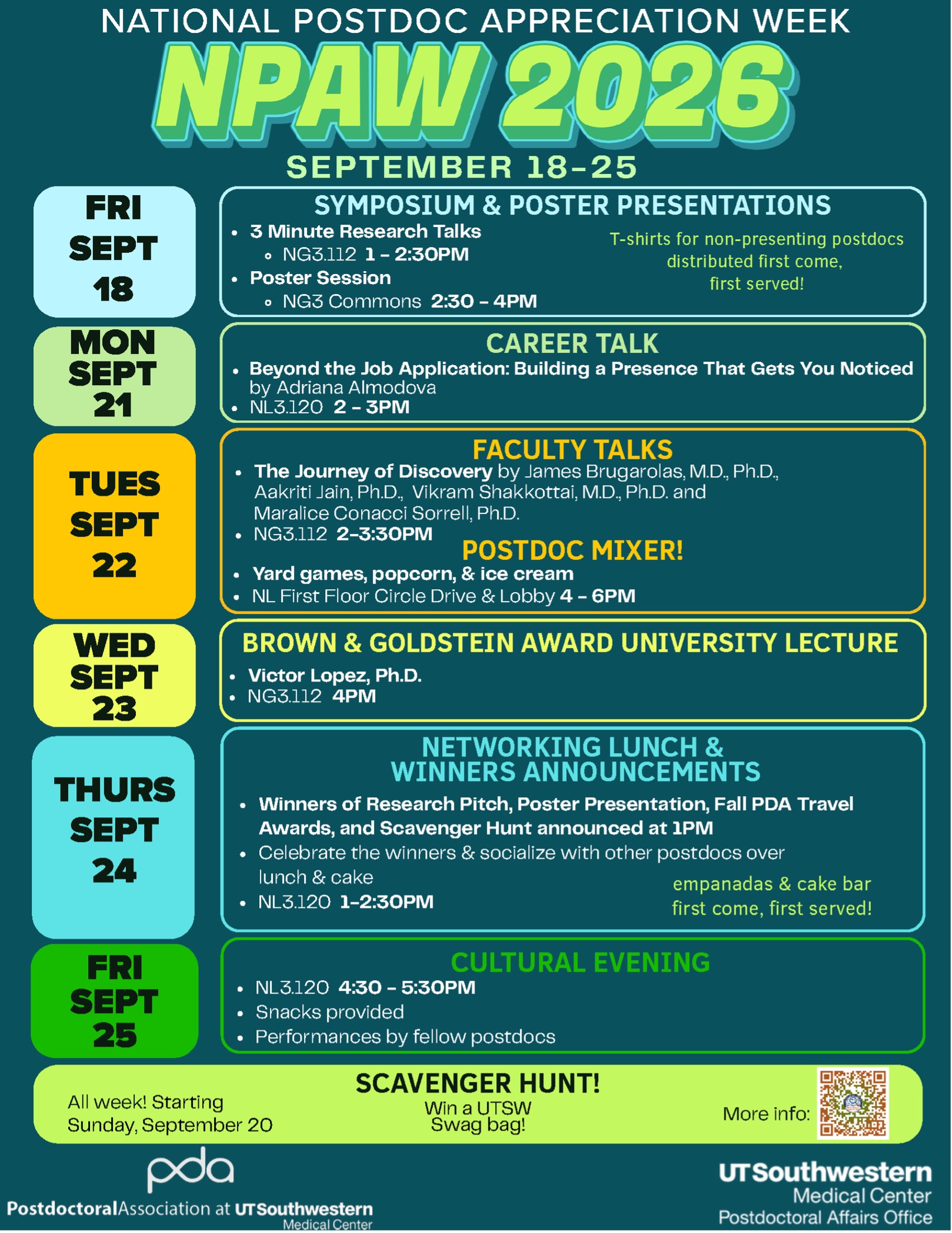
As we commemorate National Postdoc Appreciation Week (NPAW), we shine a spotlight on a sampling of our postdocs and their experiences as researchers at UT Southwestern. Their work touches on everything from radiation safety, seafood-borne gastroenteritis, and immune responses to cardiac disease and alterations in the nuclear envelope.
Meet Our Postdocs
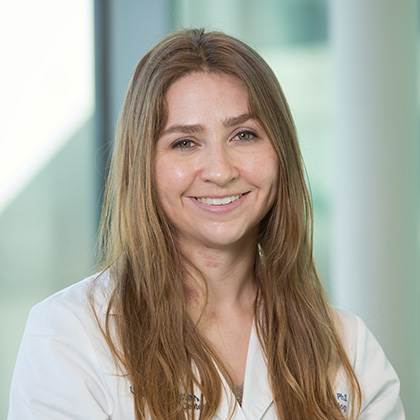
Shayna Thomas-Jardin, Ph.D.
Molecular Biology, O’Donnell Lab
Where were you born?
St. Charles, Missouri
Where did you grow up?
Waxahachie, Texas, United States
Where did you get your doctoral degree?
The University of Texas at Dallas
When did you start your postdoc training at UTSW?
2021
How did you become interested in science?
I’ve always been interested in nature and how the world works, as a kid I loved reading National Geographic, Wired, and learning new things in science class. I became interested in research during my undergrad as I was exploring medical school and other options to pursue after graduation. I joined a research lab on campus and fell in love with research.
What is your research about?
I study how tumor microenvironment stress signaling post-transcriptionally regulates immune checkpoint proteins in lung cancer. Immune checkpoints are proteins that cancer cells have co-opted to hide from the immune system. We’ve found that two of these proteins are regulated by the same mechanism in response to integrated stress response signaling, and that inhibiting this pathway improves immunotherapy efficacy. Currently I’m exploring what other potentially tumorigenic proteins are regulated by this pathway that could be novel targets for the treatment of lung cancer.
Have you received any awards or fellowships during your graduate or postdoc training?
In 2023, I received the NIH/NCI F32 (NRSA) Individual Postdoctoral Fellowship, this was a 3-year fellowship. Then I applied for a transitional postdoc to faculty award, the NIH K99/R00 and the Cancer Research Institute’s inaugural IGNITE Award; very happily, I was awarded the IGNITE award this past July, which is very similar to the K99/R00.
Why did you choose to come to UTSW for your postdoc training?
UTSW has always been on my radar as a great place to do research, during my doctoral work I always heard good things. The main thing that drew me here was my mentor’s research program; it was well aligned with my training and research goals and I knew I would receive excellent mentoring to help me transition to research independence. Once I joined UTSW I then fully realized the fantastic resources available here, the core facilities, how collaborative and friendly everyone is; it’s a great research environment. I have personally used many of the cores on campus and having these resources has accelerated and improved my research.
What do you enjoy the most about being a postdoc at UTSW?
The postdoctoral training program here is excellent, and they are actively working on improving it and adding seminars and training to really help us advance to the next career stage. Other schools simply don’t have these programs or they are very small. A prospective postdoc should come here because outside of their own research mentor, there is such a wealth of resources here to maximize their postdoc training.
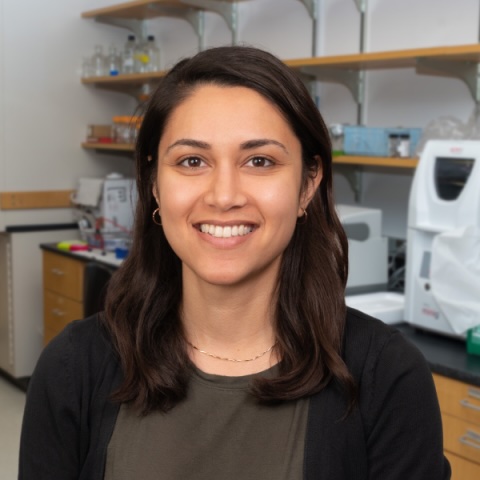
Kubra Naqvi, Ph.D.
Internal Medicine- Infectious Disease, Shiloh Lab
Where were you born?
Richmond, Virginia
Where did you grow up?
Ashburn, Virginia, United States
Where did you get your doctoral degree?
University of Texas Medical Branch in Galveston
When did you start your postdoc training at UTSW?
2021
How did you become interested in science?
The earliest memory I have of loving science is from my seventh-grade biology class. I remember becoming endlessly fascinated by DNA and genetics and knowing from that day that I was meant to be a scientist. It wasn’t until I was an undergrad, however, that I discovered I could turn my love of science into a career in research. Thankfully, I had a fantastic undergrad research mentor who accepted me into his lab and taught me how to think critically about biological problems and tackle them in the research lab.
What is your research about?
My research investigates how microbial pathogens, particularly Mycobacterium tuberculosis, signal to host sensory pathways to promote cough, infectious aerosol generation, and airborne transmission. Using an innovate guinea pig model of cough and natural airborne transmission, I aim to uncover the bacterial molecules and host factors influencing spread of tuberculosis. The goal of this research is to reveal new strategies to interrupt transmission and reduce the global burden of tuberculosis.
Have you received any awards or fellowships during your graduate or postdoc training?
Fellowships:
- Molecular Microbiology T32 Post-doctoral Training Grant
- James W. McLaughlin Pre-Doctoral Fellowship Award
Awards:
- Inaugural Seidenfeld Infectious Diseases Research Symposium: Best Poster Award 2026
- Celebration of Women in Science and Medicine Poster Session Travel Award 2025
- 6th Annual Texas Tuberculosis Symposium: Outstanding Poster Award 2023
- National Postdoc Appreciation Week Symposium: First Place for Best Poster Presentation 2022
Why did you choose to come to UTSW for your postdoc training?
I chose UTSW for my postdoc training specifically for Dr. Shiloh’s lab. When I was a graduate student Dr. Shiloh gave a talk at my institution and I was deeply fascinated by his pioneering research. I wanted my postdoc training to be innovative, impactful, and pushing the boundaries of infectious research and that’s exactly what Dr. Shiloh’s lab at UTSW was doing.
What do you enjoy the most about being a postdoc at UTSW?
I really appreciate how collaborative the training environment is at UTSW. I’ve worked with many labs and core facilities across campus in my time here and everyone has been very supportive in advancing our research goals. I also really appreciate the postdoc office and postdoc association at UTSW. They are always willing to support postdocs at any level with career advancement, networking, and building a community at UTSW.
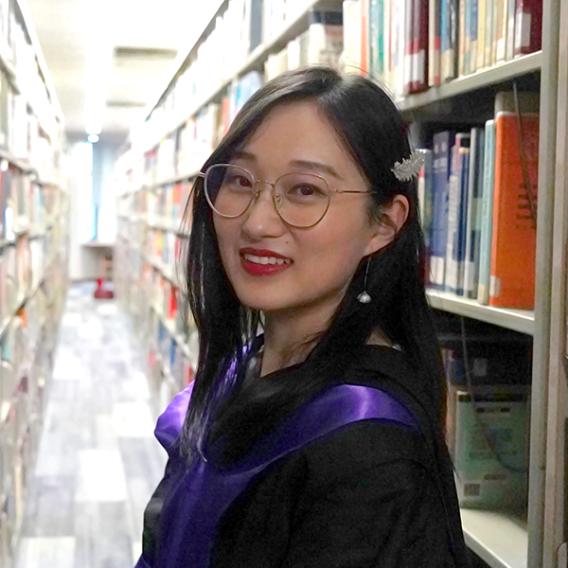
Qianqian Ding, Ph.D.
Molecular Biology, Olson Lab
Where were you born?
China
Where did you grow up?
Jining City, Shandong Province, China
Where did you get your doctoral degree?
The Chinese University of Hong Kong
When did you start your postdoc training at UTSW?
2022
How did you become interested in science?
My interest in science began at an early age, as I grew up around my mother’s clinic, where I had the opportunity to observe patient care firsthand. This experience inspired me to pursue a medical degree during which I developed a strong interest in scientific research, particularly cardiovascular disease.
What is your research about?
My research focuses on understanding how vascular smooth muscle cells contribute to aortic diseases and developing innovative gene-editing therapies to treat them. Using CRISPR-based gene editing, I have developed an approach to correct a disease-causing mutation in ACTA2, a gene essential for smooth muscle function, and demonstrated its therapeutic potential in human stem cell-derived models and humanized mice. I am also investigating the molecular mechanisms underlying abdominal aortic aneurysms to identify new therapeutic targets. By combining genome editing, stem cell technology, and vascular biology, my work aims to translate fundamental discoveries into treatments for vascular diseases that currently have limited therapeutic options.
Have you received any awards or fellowships during your graduate or postdoc training?
- 2025 AHA BCVS Travel Grant
- 2025 AHA Postdoctoral Fellowship Award
- 2025 UT Southwestern 2025 PDA Spring Travel Award
- 2025 AHA Vascular Discovery 2025 ACRE Vascular Symposium Young Investigator Award
- 2024 UT Southwestern 2024 Postdoctoral Research Symposium Best Oral Presentation Award
Why did you choose to come to UTSW for your postdoc training?
I chose UTSW for its outstanding research environment and opportunity to work with Dr. Eric Olson, a leader in cardiovascular biology. His lab’s expertise in gene editing and cardiovascular disease, together with UTSW’s collaborative research community, provides an ideal environment to pursue innovative research and grow as an independent scientist.
What do you enjoy the most about being a postdoc at UTSW?
What I appreciate most about my training at UTSW is the guidance and support I receive from my mentors and colleagues. I also enjoy working with researchers from different fields, which has helped me approach scientific questions from new perspectives. The research resources and collaborative environment at UTSW have played an important role in my development as a scientist.
